
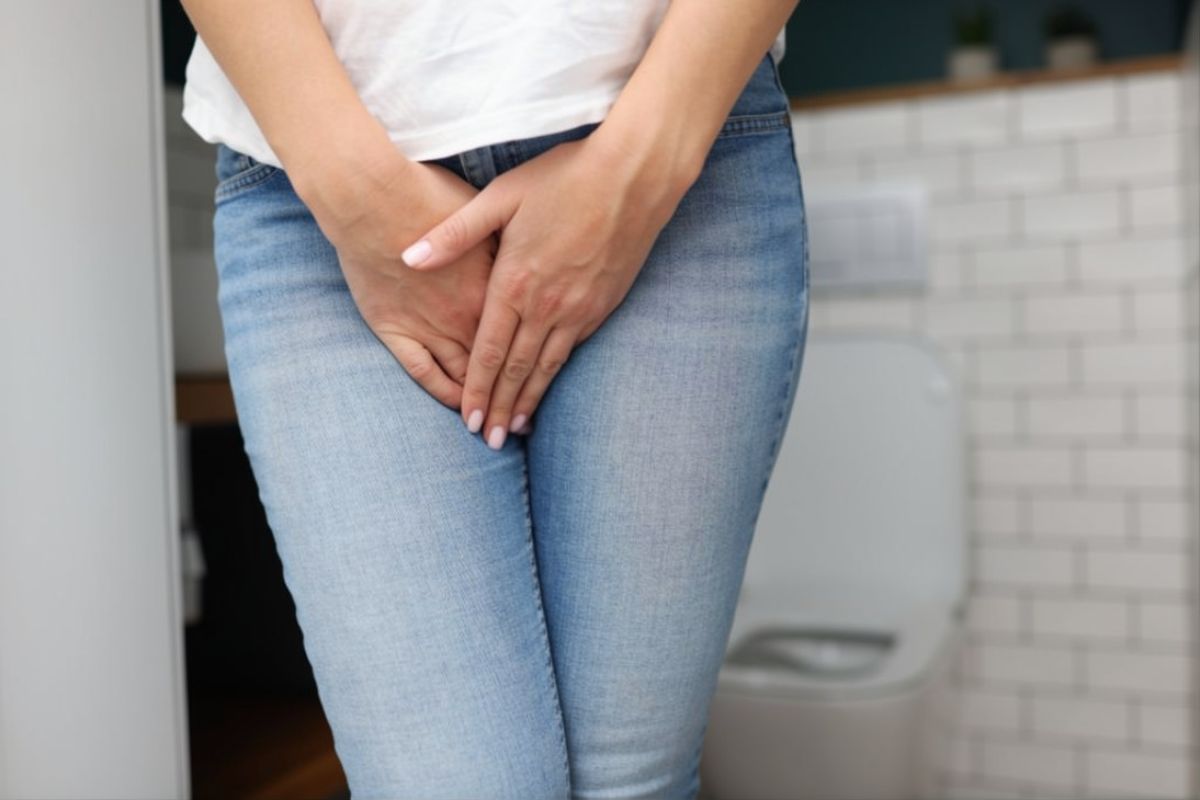
Living with female urine leakage can feel like you're constantly on edge, wondering if a simple sneeze, a heartfelt laugh, or a quick run to catch the bus will lead to an embarrassing accident. If you find yourself scoping out the nearest restroom the moment you enter a building, you aren't alone. In fact, urinary incontinence affects millions of women worldwide, yet many suffer in silence because of the lingering stigma. It is not just a "part of getting older" — it is a manageable condition that impacts your quality of life, and understanding why it happens is the first step toward staying dry.
What are the causes of female urine leakage?
To effectively stop female urine leakage, it is essential to identify the root cause. Your bladder and urethra are supported by a complex system of muscles and nerves; when this system is compromised, incontinence occurs.
Here are the primary factors that contribute to leakage:
- Weak pelvic floor muscles: these muscles act as a hammock supporting your bladder. If they become stretched or weakened, they can no longer keep the urethra closed during physical exertion.
- Pelvic floor overactivity or tension: in some cases, muscles may be too tight or poorly coordinated rather than weak, which can contribute to urgency, frequency, or incomplete emptying.
- Pregnancy and childbirth: the physical strain of carrying a baby and the process of vaginal delivery can weaken the pelvic support tissues and damage bladder control nerves.
- Menopause: a drop in estrogen levels after menopause can lead to the thinning of the lining of the urethra and bladder, making them less resilient.
- Obesity or excess weight: increased abdominal pressure puts constant stress on the bladder and surrounding muscles, leading to stress incontinence.
- Chronic coughing: long-term respiratory issues or smoking can cause repetitive pressure spikes that exhaust the pelvic floor.
- Certain medications: some drugs, such as diuretics or muscle relaxants, can inadvertently increase urine production or interfere with bladder signals.
Symptoms to watch for: identifying the signs
Identifying the specific way your body responds to bladder pressure is key to finding the right treatment. While urine leakage is the primary symptom, it often manifests in different ways depending on the underlying cause. Many women assume that "just a few drops" is normal, but any involuntary loss of urine is a sign that your pelvic health needs attention.
If you are trying to determine if you have a problem, look for these common signs:
- Leaking during physical activity: one of the most common complaints is peeing while laughing, coughing, or sneezing. This is known as stress incontinence, where sudden pressure on the abdomen forces urine out.
- Peeing when you cough or jump: you might notice a sudden dampness during a HIIT workout, while lifting heavy grocery bags, or even during a vigorous coughing fit.
- A frequent, urgent need to urinate: if you feel like you have to go "all the time" — even if you just went — your bladder may be overactive.
- Difficulty fully emptying the bladder: you might finish using the restroom only to feel like you need to go again minutes later, or you may experience a slow urine stream.
- Waking up multiple times at night: frequently needing to get out of bed to use the bathroom (nocturia) is a strong indicator of bladder irritation or pelvic floor dysfunction.
- Sudden urge followed by leakage: feeling an intense, uncontrollable urge to go that is immediately followed by urine leakage before you can reach a toilet.
Recognizing these patterns helps differentiate between stress incontinence (leakage from pressure) and urge incontinence (leakage from a sudden "overactive" signal).
Exercises to stop female urine leakage
Improving the strength, coordination, and relaxation of the pelvic floor muscles is one of the most effective ways to stop female urine leakage. Technique is everything when it comes to pelvic floor rehabilitation.
It is never too early or too late to begin. Postpartum pelvic floor exercises are crucial for recovery after the strain of birth, but these routines are equally beneficial for women entering menopause or those looking to prevent issues later in life. Whether you are 25 or 75, your muscles respond to training.
The power of Kegel exercises
If you want to see the benefits of Kegel exercises for women, consistency is key. These exercises target the pubococcygeus (PC) muscles, which wrap around the urethra and vaginal opening.
- How to do them properly: imagine you are trying to stop the flow of urine or prevent passing gas. Squeeze and lift those internal muscles upward. Hold for 3 to 5 seconds, then relax completely for the same amount of time.
- Frequency: aim for 3 sets of 10 repetitions daily.
- Common mistakes: avoid holding your breath or squeezing your glutes and thighs. The movement should be internal and isolated.
- Pro tip: don't make a habit of doing Kegels while actually urinating, as this can lead to incomplete bladder emptying.
💡 If your symptoms worsen, or if you experience pain, pressure, or difficulty emptying, you may need guidance from a pelvic floor specialist, as not all leakage is caused by weakness alone.
Core and hip exercises for bladder support
Your pelvic floor doesn't work in isolation; it functions alongside your deep core and hips. Integrating these moves can amplify your results:
- Bridges: lie on your back with knees bent. Lift your hips toward the ceiling while gently engaging your pelvic floor. This strengthens the posterior chain and supports the pelvic bowl.
- Squats: proper squats (keeping your weight in your heels) help functionalize the pelvic floor. Focus on exhaling and lifting the pelvic floor as you stand back up.
- Pilates moves: exercises like "The Dead Bug" or "Pelvic Tilts" focus on core stability, which reduces the excess abdominal pressure that causes leaks.
How Perifit Kegel trainer can help women stop their urine leakage
While manual exercises are effective, many women struggle to know if they are engaging the right muscles. This is where the Perifit Kegel trainer becomes a game-changer. It is an innovative biofeedback device that connects to an app on your smartphone, turning your pelvic floor rehabilitation into an interactive experience.
- Real-time biofeedback: the double-sensor technology monitors your contractions. It tells you instantly if you are squeezing correctly or, more importantly, if you are pushing down — a common mistake that can worsen urine leakage.
- Gamified workouts: Perifit uses your pelvic floor muscles as a controller for mobile games, making your daily exercises engaging and easy to stick to.
- Trackable progress: the app measures your strength, endurance, and agility, allowing you to see measurable improvements over time. This data-driven approach is one of the most efficient ways to stop female urine leakage from the comfort of your home.
💡 85% of users significantly reduced their urine leakage after just 4 months of consistent use of the Perifit Kegel trainer.
Lifestyle changes to reduce urine leakage
Beyond physical exercise, making small adjustments to your daily routine can significantly reduce the frequency and severity of bladder leaks. Here are actionable strategies you can implement immediately.
Weight management and diet
Carrying excess weight places constant, heavy pressure on your pelvic floor muscles. Even a modest weight loss of 5 to 10% can significantly decrease the frequency of stress incontinence. Additionally, you should be mindful of bladder irritants that can trigger sudden urges:
- Caffeine and alcohol: both are diuretics and stimulants that irritate the bladder lining.
- Spicy foods and artificial sweeteners: these can trigger urge incontinence in sensitive individuals.
Fluid management
It is a common myth that drinking less water will stop leaks. In reality, dehydration leads to concentrated urine, which irritates the bladder.
- Timing is everything: focus on staying hydrated throughout the day, but limit fluid intake two hours before bedtime to reduce nighttime trips.
- Consistent hydration: drink small amounts regularly rather than "chugging" large volumes, which can overwhelm the bladder.
Bladder training techniques
You can actually "re-train" your bladder to hold more urine and react less impulsively.
- Scheduled voiding: instead of going "just in case," try to go on a set schedule (every hour). Gradually increase the time between visits by 15 minutes each week.
- Urge suppression: when a sudden urge hits, stop, take a deep breath, and perform a few quick Kegel contractions. This sends a signal to your nervous system to relax the bladder muscle (the detrusor), giving you time to reach the bathroom calmly.
Taking control offemale urine leakage starts with acknowledging that you deserve to live without constant worry. Whether your symptoms stem from menopause, postpartum recovery, or pelvic floor weakness, there are evidence-based strategies to help you stay dry. From lifestyle tweaks to utilizing advanced technology like the Perifit Kegel trainer, you don't have to let bladder leaks dictate your social life or exercise routine. By understanding your triggers and seeking the right support, you can reclaim your confidence and your freedom.
Sources: