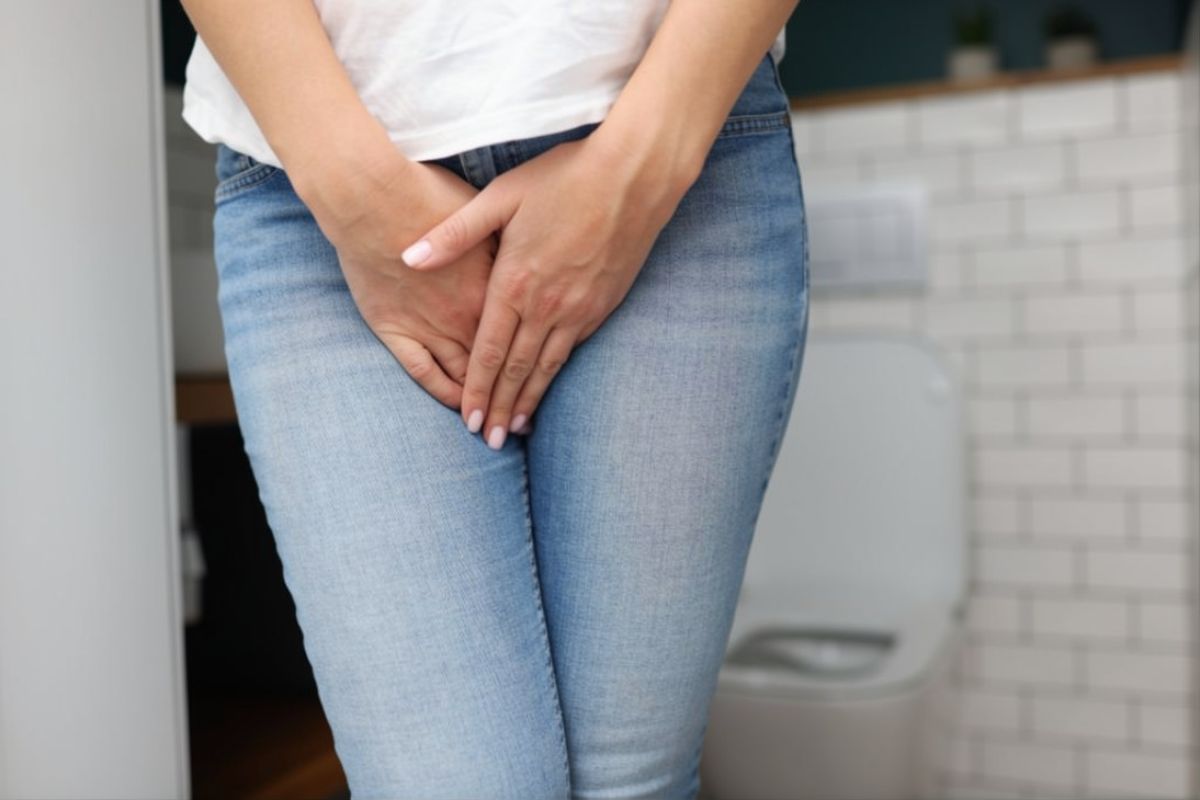

Imagine being suddenly struck by an intense, overwhelming urge to urinate—so strong that it’s nearly impossible to make it to the bathroom in time. This unpredictable and often distressing experience is the reality for millions of people living with urge incontinence. Far from being just an inconvenience, this condition, often associated with an overactive bladder (OAB), can dramatically impact confidence, social life, and overall quality of life.
If you struggle with sudden leaks, frequent urination, or feel anxious about always needing to find a restroom, you are not alone. Take control of your health and discover the proven strategies for managing and overcoming urge incontinence.
What is urge incontinence?
Urge incontinence is a sudden, intense need to urinate (urgency) that you can’t suppress, resulting in involuntary leakage of urine.
💡 This sensation is often described as an "overwhelming urge" that strikes with little or no warning, making it difficult to reach a restroom in time. It is one of the most common types of bladder control problems.
This condition is often, though not always, associated with an overactive bladder (OAB), a syndrome characterized by the symptoms of urgency, with or without incontinence, and usually involving frequent urination and nocturia (waking up at night to urinate).
It is crucial to understand how urge incontinence differs from other forms of urinary incontinence. Stress incontinence involves leakage caused by physical activities that put pressure on the bladder, such as coughing, sneezing, laughing, or lifting. Mixed incontinence is a combination of both stress and urge incontinence symptoms. Urge incontinence, by contrast, is purely the result of involuntary bladder muscle contractions.
Recognizing the symptoms of urge incontinence
Identifying the specific symptoms is the first step toward seeking help for urge incontinence.
The overwhelming urge (urgency)
The hallmark of the condition is the severe and sudden urge to urinate. This is an intense, involuntary sensation that precedes leakage and is very difficult, if not impossible, to postpone. It can be triggered by seemingly minor things, like the sound of running water or unlocking your front door.
Frequency and nocturia
Individuals with urge incontinence often experience frequent urination during the day and night.
- Frequency: Needing to urinate more than 8 times in a 24-hour period.
- Nocturia: Waking up more than once during the night with the urge to urinate.
Accidental leakage
This is the involuntary loss of urine that occurs immediately after the sudden urge to urinate because you cannot suppress the bladder contraction long enough to reach the toilet. The amount of leakage can range from a few drops to soaking your clothing.
Causes of urge incontinence
💡 Urge incontinence is typically caused by involuntary spasms of the bladder muscle (detrusor).
Understanding the underlying factors is key to effective management.
Physiological causes
- Bladder overactivity: The detrusor muscle, which contracts to empty the bladder, contracts too often or too soon, even when the bladder is not full.
- Nerve damage: Damage to the nerves controlling the bladder, often due to conditions like stroke, Parkinson’s disease, multiple sclerosis, or spinal cord injury, can lead to uncontrolled bladder contractions.
- Urinary tract infection (UTI): An infection or bladder inflammation can irritate the bladder lining, causing sudden, intense urges.
Risk factors
- Age: The risk increases with age, as the bladder muscle can become less stable.
- Menopause: Decreased estrogen levels during menopause and bladder health can affect the health of the urinary tract tissues.
- Diabetes: Poorly controlled diabetes can cause nerve damage (neuropathy) that affects bladder control.
- Pelvic floor weakness: While more directly linked to stress incontinence, weakness in the pelvic floor muscles can make it harder to inhibit bladder contractions.
- Neurological conditions: Diseases affecting the brain or spinal cord can disrupt the signals between the brain and the bladder.
Medications and lifestyle contributors
Certain factors can irritate the bladder and trigger symptoms:
- Caffeine and alcohol: These are diuretics and bladder irritants that can increase urine production and urgency.
- Bladder irritants: Acidic foods (citrus fruits, tomatoes), spicy foods, and carbonated beverages can worsen symptoms.
- High fluid intake: While hydration is important, excessive intake, especially close to bedtime, can increase frequency and nocturia.
Urge incontinence symptoms and warning signs
It's important to recognize these signs, as consulting a healthcare provider can significantly improve your quality of life.
| Symptom | Description |
|---|---|
| Sudden Urge to Urinate | An immediate, intense need to empty the bladder, often with very little warning. |
| Involuntary Leakage | Loss of urine following the urge to urinate that you cannot stop. |
| Frequent Urination | Needing to use the bathroom excessively (more than 8 times daily). |
| Nocturia | Waking up at night because of a strong urge to urinate. |
| Restrictive Behavior & Anxiety | Feeling anxious about finding a restroom quickly in public. |
💡 Untreated bladder control problems can lead to skin problems, recurrent UTIs, and significant emotional distress, including embarrassment and social isolation.
How urge incontinence is diagnosed
A proper diagnosis is essential to rule out other conditions and tailor an effective treatment plan.
Initial assessment
The process usually begins with a thorough medical history, where your doctor will ask about your symptoms, frequency of urination, fluid intake, and any previous conditions. A physical exam, including a pelvic exam for women, is also common.
Diagnostic tests
Your provider may recommend specific tests to confirm the diagnosis and assess the severity.
- Bladder diary: You will be asked to record your fluid intake, urination times, and leakage episodes over several days. This is a simple but powerful tool for urge incontinence diagnosis tests.
- Urinalysis: A lab test of a urine sample to check for infection, blood, or other abnormalities.
- Urodynamic testing: A more involved set of urge incontinence diagnosis tests that assesses how well the bladder and urethra store and release urine.
Treatment options for urge incontinence
The goal of treatment for urge incontinence is to reduce the frequency and severity of urgency and leakage episodes. Treatment often involves a combination of strategies.
Lifestyle and behavioral therapies
- Bladder training: Gradually increasing the time between voids to retrain the bladder to hold more urine and suppress the urgency signal. This is a cornerstone of bladder training.
- Timed voiding: Following a fixed schedule for urination, regardless of the urge, to prevent the bladder from becoming too full.
- Fluid and diet modifications: Following an overactive bladder diet involves strictly limiting or avoiding known bladder irritants such as caffeine, alcohol, artificial sweeteners, and highly acidic foods.
- Weight management: Losing excess weight can reduce pressure on the bladder and pelvic floor.
Pelvic floor muscle training
- Pelvic floor exercises (Kegels): Strengthening the muscles that support the bladder can help inhibit involuntary contractions. You should always learn the correct technique, ideally with a physical therapist.
- Biofeedback: Using electronic devices such as Perifit to help you identify and correctly contract your pelvic floor exercises (Kegels).
Medications for incontinence
Several types of drugs can calm the detrusor muscle and reduce the urgency.
- Antimuscarinics (anticholinergics): These block nerve signals that cause bladder spasms.
- Beta-3 agonists: These relax the bladder muscle, increasing the bladder's capacity to hold urine.
Advanced treatments
For severe cases unresponsive to conservative therapies, options may include:
- Sacral neuromodulation: A device similar to a pacemaker that sends electrical impulses to the nerves controlling the bladder.
- Botox (onabotulinumtoxinA) injections: Injected into the bladder muscle to relax it and increase its storage capacity.
Perifit Care & Perifit Care+ a biofeedback solution against urge incontinence
Pelvic floor muscle training is a highly effective, non-invasive treatment option. The Perifit Care and Perifit Care+ devices offer an advanced biofeedback solution to assist with pelvic floor training at home.
The science behind the training
The underlying principle for treating urge incontinence is to leverage the "levator ani" muscles (the main pelvic floor muscles). When these muscles are specifically trained, they trigger an inhibiting reflex that helps to calm the hyperactive detrusor (bladder) muscle. With consistent practice, this reflex becomes more automatic.
💡 For urge incontinence, the training patterns are specifically designed to use contractions of lower strength held for longer intervals.
This prolonged squeezing trains the slow-twitch muscle fibers, which stimulates the detrusor inhibitor reflex, also known as the Mahony reflex. This natural reflex is key to suppressing the sudden urge to urinate often.
Analyzing your Kegel quality
The Perifit Care system analyzes key dimensions of each exercise, ensuring you get the most out of your training:
- Endurance: Holding the contraction for several seconds to help calm the urge and promote pelvic support.
- Strength: Ensuring the contraction is strong enough to maintain continence and prevent leaks.
- Relaxation: Monitoring the muscle release to ensure a full range of motion and flexibility.
- Kegel Quality: Verifying that you are correctly engaging the pelvic floor and not increasing detrimental abdominal pressure.
Expected results
Research studies using the dedicated Perifit program show that a significant majority—about two-thirds of women with urge or other incontinence symptoms—experience a noticeable improvement in leak symptoms through regular pelvic floor muscle training. Furthermore, approximately 35% of these women stop leaks entirely, reporting fewer daily leaks and an overall improved quality of life.
While some women may begin to notice a reduction in leaks within a few weeks, it's important to understand that optimal results from consistent training typically take 3 to 6 months to achieve. Consistency is the most crucial factor for success.
Living with and managing urge incontinence
Effective management involves integrating bladder-friendly habits into your daily life.
- Fluid management: Track your fluid intake. While you shouldn't drastically limit fluids (as this can cause concentrated urine, which irritates the bladder), avoid large amounts at once, especially before bedtime.
- Avoiding bladder irritants: Strictly limit or eliminate consumption of the following to prevent urinary urgency:
- Caffeine (coffee, tea, cola)
- Alcohol
- Artificial sweeteners
- Acidic foods and drinks (citrus, tomatoes)
- Carbonated beverages
- Maintain a healthy weight: Excess weight puts continuous pressure on the bladder and pelvic floor.
- Regular exercise: Gentle, consistent exercise improves overall health, but avoid high-impact activities if they worsen your leakage. Focus on core and pelvic floor training at home.
- Behavioral techniques: If you feel the urge, stop, take a deep breath, and perform a quick, strong pelvic floor contraction (the "Knack") to help suppress the urge before heading calmly to the bathroom.
Can urge incontinence be cured naturally?
While the term "cured naturally" can be misleading, many people can successfully manage, significantly improve, or even resolve their symptoms without relying on surgery or continuous medication. This success is achieved primarily through non-invasive and lifestyle changes for incontinence, which are often the first-line treatment for urge incontinence.
The key "natural" components of treatment include:
- Behavioral therapy: Bladder training and timed voiding.
- Pelvic floor muscle training: Consistent and correct Kegel exercises.
- Dietary and fluid modification: Avoiding bladder irritants and managing fluid intake
- Weight management: Reducing mechanical stress on the bladder.
For many, adhering to a comprehensive program of bladder-friendly habits leads to a significant reduction in episodes, restoring control and dramatically improving their quality of life.
Urge incontinence is a common and highly treatable condition, not an inevitable part of aging. By understanding the causes, recognizing the signs, and committing to a tailored treatment plan—often starting with conservative measures like bladder training and pelvic floor exercises—you can take significant steps toward regaining bladder control. If you suspect you have urge incontinence, do not hesitate to consult a healthcare provider, such as a Urogynecologist or a Pelvic Health Physical Therapist, to explore the effective treatment for urge incontinence options available to you.
Sources:
- https://www.niddk.nih.gov/health-information/urologic-diseases/bladder-control-and-urination-problems/urinary-incontinence
- https://www.healthline.com/health/pelvic-floor-exercises-for-bladder-control
- https://pmc.ncbi.nlm.nih.gov/articles/PMC6516955/
- https://my.clevelandclinic.org/health/articles/14605-bladder-irritants