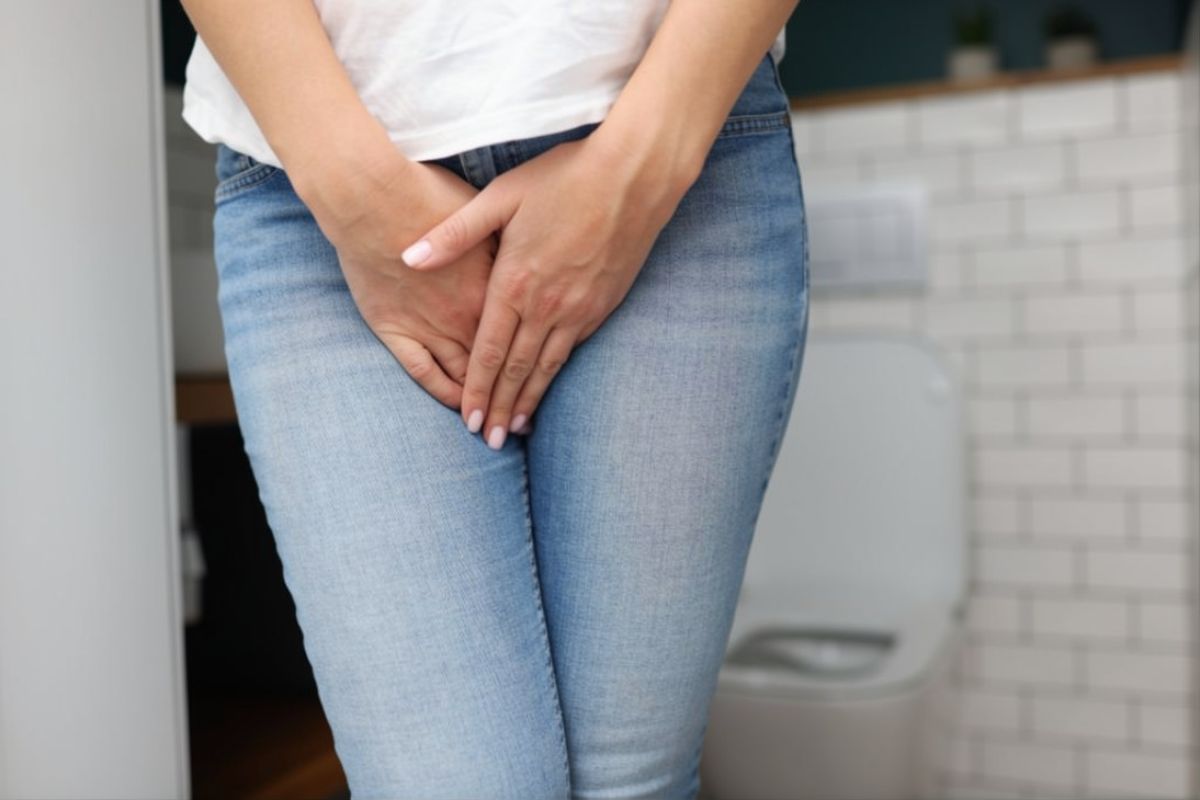

If you’ve ever experienced involuntary urination—that sudden, unwelcome urinary leakage when you laugh, cough, jump, or run—you've encountered stress incontinence (SUI). This common, yet often embarrassing condition, affects millions, causing real emotional distress and physical limitation. Dealing with issues like peeing when coughing or managing constant bladder control issues can severely impact your social life and overall well-being.
The fundamental issue behind SUI is pelvic floor weakness. When physical activities put pressure on your bladder, these weakened muscles can’t maintain continence. However, here’s the crucial takeaway: this is a highly treatable condition, not an inevitable sentence. Highly effective, non-surgical solutions are available to dramatically improve your symptoms.
What is stress incontinence (SUI)?
Stress Incontinence is a specific type of urine leakage that occurs when physical movement or activity puts pressure, or "stress," on your bladder. Unlike other types of incontinence, SUI is not caused by a sudden, overwhelming urge to urinate. Instead, it’s a mechanical problem: the pressure from a physical action temporarily overcomes the strength of the muscles supporting your urethra.
This physical stress can come from simple, everyday actions like coughing/sneezing, laughing, jumping, or lifting heavy objects. When these actions increase the pressure inside your abdomen, your weakened pelvic floor muscles and urethral sphincter struggle to hold tight, resulting in an immediate, small leak of urine.
It's important to understand the difference between Stress Urinary Incontinence (SUI) and urge incontinence:
- Stress Incontinence: Leakage is triggered by physical activity or effort. There is no prior strong sensation of needing to go.
- Urge Incontinence: Leakage follows a sudden, intense, and uncontrollable need to urinate (urgency). This is often due to an overactive bladder muscle.
- Mixed Incontinence: Many people experience a combination of both urge vs stress incontinence.
If you notice urine leakage primarily when you exert yourself, you are likely dealing with SUI.
Symptoms: how to know if you have stress incontinence
Knowing the specific triggers is key to identifying stress incontinence. This condition is characterized by the involuntary loss of urine during activities that increase intra-abdominal pressure.
Common situations where leaks happen include:
- Laughing, coughing, or sneezing
- Running, jumping, or other high-impact exercising
- Lifting heavy objects (like groceries or a child)
- Standing up from a seated or crouched position
- Bending over
It’s important to note that the term "stress" refers to physical pressure, not emotional stress. While emotional stress can sometimes exacerbate bladder issues, SUI is a direct result of physical force.
The severity of SUI exists on a spectrum. Some people experience only mild, occasional leaks (a few drops) during high-impact activities like leaks while running. Others might experience moderate to severe leakage (a wet patch) with simple actions like standing up or walking. If you notice any of these symptoms, it’s a sign that your pelvic floor needs attention.
Causes and risk factors for SUI
Understanding the "why" behind stress incontinence can help you choose the most effective treatment plan. SUI is fundamentally caused by damage or weakness to the muscles and tissues that support your bladder and urethra.
Weakened pelvic floor and urethral support
The pelvic floor muscles act as a supportive sling beneath your bladder and surround the urethra (the tube urine passes through). These muscles, along with the urethral sphincter, are responsible for keeping the urethra closed against pressure. When these structures are stretched, weakened, or damaged, they can't effectively counteract the force of intra-abdominal pressure, leading to leaks.
Pregnancy and childbirth
For women, childbirth is the single greatest risk factor for developing SUI. The sheer force of labor, particularly vaginal delivery, can stretch, tear, or damage the pelvic floor muscles and the nerves that control them. Even without a vaginal delivery, pregnancy itself—due to the sustained weight of the uterus and hormonal changes—can weaken the supportive structures. Fortunately, incorporating post pregnancy pelvic exercises can significantly mitigate this risk.
Menopause and aging
As women age, the risk of SUI increases, often related to menopause. The drop in estrogen levels that accompanies menopause can cause the tissues of the urethra and bladder neck to thin and weaken. This loss of tissue firmness contributes to a reduced ability to maintain continence.
Other factors
Several other conditions and lifestyle factors can increase your risk of SUI:
- Obesity: Excess body weight places chronic, increased pressure on the abdominal area and pelvic floor muscles. Losing weight can often dramatically reduce SUI symptoms.
- Chronic Cough: Conditions like smoker's cough, asthma, or chronic bronchitis result in repeated, forceful episodes of coughing, which continually stress the pelvic floor.
- High-Impact Sports: Repetitive, high-impact activities (e.g., long-distance running, intense jumping) can put excessive strain on the pelvic floor over time.
- Prior Pelvic Surgery: Surgeries like a hysterectomy or prostatectomy (in men) can sometimes inadvertently damage the supportive tissues around the bladder and urethra.
How is stress incontinence diagnosed
If you suspect you have SUI, the first and most important step is to talk to a healthcare provider. There is absolutely no shame in seeking help for bladder control problems.
Diagnosis typically involves a few simple steps:
- Medical history: Your doctor will ask detailed questions about your symptoms, including when, how often, and under what circumstances leaks occur. They’ll also ask about your childbirth history, current medications, and other health issues.
- Bladder diary: You may be asked to keep a log for a few days, tracking your fluid intake, urination frequency, and leakage episodes. This provides valuable objective data.
- Physical exam: For women, this includes a pelvic exam to assess the strength of your pelvic floor muscles and check for issues like pelvic organ prolapse. For men, a rectal exam may be performed to check the prostate.
- Cough stress test: The doctor will ask you to cough forcefully while they observe your urethra for any leakage.
If the diagnosis isn't clear from these initial steps, your doctor may recommend further tests:
- Urinalysis: A lab test of your urine to rule out a urinary tract infection (UTI) or blood in the urine, which can cause similar symptoms.
- Urodynamic tests: These specialized tests measure how well your bladder and urethra hold and release urine. They can include measurements of bladder pressure during filling and emptying.
How stress incontinence affects daily life
Living with bladder control problems can take a heavy toll on your quality of life, extending far beyond the physical inconvenience of leakage.
Emotional and social impact
Many people living with incontinence report feeling embarrassment or shame. This often leads to an avoidance of activities they once enjoyed. Simple things like:
- Avoiding exercise, especially running or gym classes.
- Saying no to social events or travel because of worry about bathroom access.
- Feeling anxious during work presentations or public speaking due to fear of a sudden cough-induced leak.
- Feeling less confident or avoiding intimacy because of the fear of leakage.
Lifestyle limitations
The limitations affect all areas of life:
- Exercise: You stop high-impact workouts and may avoid exercise altogether, leading to other health issues.
- Work/Travel: Long commutes, meetings, or long stretches without easy bathroom access become sources of significant anxiety.
- Intimacy: The condition can strain relationships and reduce sexual satisfaction.
The good news is that addressing the condition early through effective treatment can help you reclaim these areas of your life and live without the constant worry of leakage.
What are the treatment options for stress incontinence?
Treatment for stress incontinence ranges from simple, non-invasive conservative treatments to medical and surgical options. The best approach depends on the severity of your symptoms and your lifestyle.
Lifestyle changes
Before considering medical intervention, many people find significant relief through simple changes:
- Weight management: If you are overweight or obese, losing weight is one of the most effective non-surgical ways to reduce pressure on the bladder.
- Reducing caffeine & alcohol: Both are diuretics and bladder irritants. Cutting back on coffee, tea, and alcohol can reduce the volume of urine produced and calm an irritated bladder.
- Bladder training: While more commonly used for urge incontinence, bladder training can help. It involves gradually increasing the time between urination to improve bladder capacity and control.
Managing leakage with products
For immediate management and peace of mind, various incontinence products can help:
- Pads, liners, and protective underwear: These absorbent products are designed specifically for urine (which is thinner than menstrual flow) and range from thin panty liners to full protective briefs. Using specialized protective products is often more discreet and effective than using feminine hygiene products.
Pelvic floor exercises (Kegels)
This is the cornerstone of conservative SUI treatment. Kegel exercises for incontinence are specific muscle contractions designed to strengthen the weak pelvic floor muscles.
- How they work: Regular Kegels increase the strength, endurance, and coordination of the muscles supporting the urethra. Stronger muscles mean better closure under physical stress.
- Benefits for strengthening bladder support: Consistency is key. Many people need dedicated guidance, such as from a Physical Therapist specializing in the pelvic floor, to ensure they are performing the exercises correctly and effectively. This type of dedicated pelvic floor therapy can lead to significant improvement in SUI symptoms.
Medical treatments
For those who don't respond adequately to conservative measures, medical interventions are available.
- Vaginal pessary (for women): A small, removable device inserted into the vagina that provides mechanical support to the urethra and bladder neck. A pessary for incontinence is fitted by a healthcare provider and can be worn all day or only during activities like exercise.
- Medications: Unlike urge incontinence, there are very few medications that effectively treat SUI. Some are used off-label, but generally, medication is not a primary treatment for stress incontinence.
Surgical options
Surgery is typically reserved for moderate to severe SUI when conservative treatments have failed.
- Sling procedures: The most common surgical approach, these procedures involve placing a small piece of synthetic mesh or the patient’s own tissue (a “sling”) under the urethra to create a supportive hammock. This provides the support the weakened pelvic floor can no longer offer. Sling surgery has a high success rate.
- Urethral bulking agents: Substances are injected into the tissues surrounding the urethra to "bulk up" the tissue, helping the urethra seal more tightly. This is a less invasive option but may require repeat injections over time.
Are there natural remedies for stress incontinence?
While there is no single "natural remedy" to cure SUI, a holistic approach that supports overall pelvic health is extremely beneficial. Yoga for pelvic floor strength is a great example. Poses that focus on core strength and hip mobility can indirectly strengthen and coordinate the deep stabilizing muscles, including the pelvic floor. Maintaining good hydration (not over-hydrating, but drinking enough water) and a fiber-rich diet to prevent constipation also removes unnecessary strain from the pelvic floor. These lifestyle habits complement, but do not replace, dedicated pelvic floor muscle training.
How Perifit can help women with stress incontinence
Dedicated, consistent, and correctly performed pelvic floor exercises are proven to be highly effective for SUI. The challenge for many women is knowing if they are performing a Kegel correctly and staying motivated. This is where modern tools like Perifit can make a significant difference.
The Perifit Care and Perifit Care+ smart Kegel trainers are biofeedback devices that connect to your smartphone. They work by measuring the strength and quality of your pelvic floor contractions in real-time, displaying them on your phone screen. This allows you to see your internal muscles working, which is vital for performing Kegels correctly and consistently.
A dedicated program for stress incontinence
Both the Perifit Care and Perifit Care+ feature a dedicated SUI training program developed by medical professionals. This program guides you through specific, game-like exercises designed to improve the strength and endurance needed to stop leaks during physical stress.
For stress incontinence reduction, the main pattern used in the Perifit program focuses on contractions that are quick and strong. This intentional, rapid squeezing works to increase muscle ability and strengthens the relationship between your pelvic floor and your brain. This helps to improve your pelvic floor’s reflex contraction, which is essential for natural muscle function during effort or activities like coughing, sneezing, or jumping.
Results you can expect
In research studies, about 3/4 of women with stress incontinence who perform regular pelvic floor muscle training experience an improvement in leak symptoms, and about half of women stop leaks entirely.
The commitment to training with a device like Perifit pays off. While some women start to notice less leak symptoms in a matter of weeks, for others it can take between 3–6 months of regular training to see results.
Perifit turns a confusing and tedious exercise into a fun, goal-oriented routine, making it easier to be consistent and achieve real results in your recovery from stress incontinence.
Stress incontinence is a common and highly treatable condition. It is not something you have to silently endure. By understanding that the problem lies in pelvic floor weakness and utilizing the conservative treatments available, you can dramatically improve your bladder control problems.
The journey starts with seeking help from a healthcare provider and committing to strengthening your body's natural support system. Whether you start with simple lifestyle changes, use a supportive device like a pessary, or empower your Kegel practice with a tool like Perifit, a confident, leak-free life is within your reach. Don't let the fear of involuntary urination hold you back any longer.