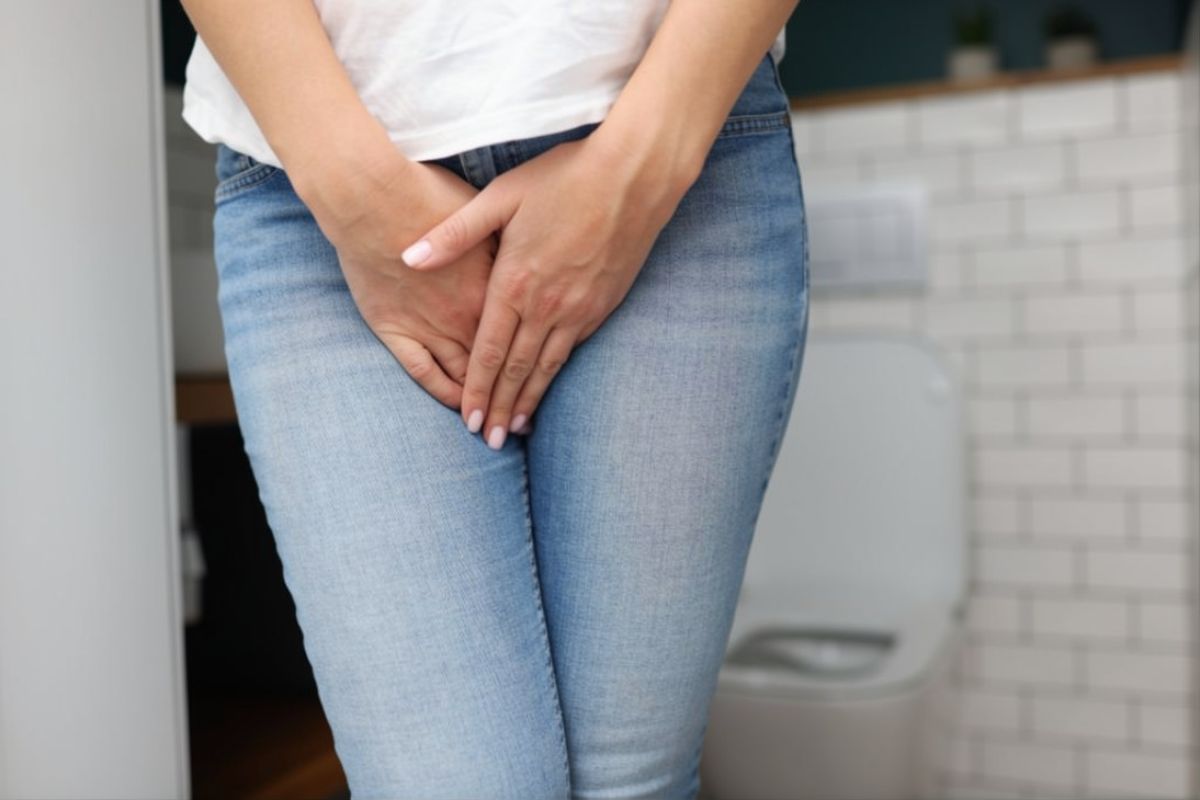

Dealing with the flu or a severe cold is miserable enough — the fever, the aches, the fatigue. But for millions of people, a respiratory illness introduces a deeply embarrassing and frustrating complication: urinary incontinence. The link between a seasonal illness and a sudden loss of bladder control is real, and it often catches sufferers completely off guard.
The connection between the flu and bladder control
The symptoms of a severe cold or the flu — especially those affecting your respiratory system — do not happen in isolation; they exert considerable physical strain on the rest of your body, including your urinary system. When your body is fighting off an infection, the mechanics of everyday actions change, directly impacting your ability to maintain continence.
The impact of persistent coughing and sneezing
The most direct and forceful cause of leakage during a respiratory illness is Stress Urinary Incontinence (SUI). This type of incontinence is not about the bladder contracting but about physical pressure overwhelming the muscles that support the urethra.
When you have a deep, persistent cough or a forceful sneeze, it causes a sudden, intense spike of intra-abdominal pressure. Here is how the mechanism works:
- Abdominal pressure: a cough or sneeze forcefully compresses the abdominal cavity.
- Bladder pressure: this pressure is transmitted directly to the bladder.
- Leakage: if the pelvic floor muscles are not strong enough to counteract this sudden force, the bladder pressure exceeds the urethral resistance, resulting in an involuntary leakage of urine.
💡 This involuntary loss of urine is particularly common — and often more severe — in individuals who have a pre-existing weakened pelvic floor, such as women post-childbirth or older adults due to aging and hormonal changes.
Body aches and difficulty reaching the restroom
While SUI is the primary culprit, another type of incontinence known as Functional Incontinence also plays a role, especially with the debilitating symptoms of the flu. Functional incontinence occurs when a person's physical or mental state prevents them from reaching the toilet in time.
The extreme fatigue, full-body weakness, and severe joint pain associated with the flu can drastically slow down your movement. If you already experience Urge Incontinence (a sudden, desperate need to go) or if your mobility is compromised, even the short distance to the restroom can be too long. The flu effectively decreases your "go time," increasing the likelihood of an accident simply because your illness prevents you from being quick enough.
Are people with urinary incontinence more affected by the flu?
The relationship between urinary incontinence (UI) and the flu is reciprocal. While the physical strain of the flu can cause temporary leakage in many people, those who already manage chronic UI may find their symptoms significantly worse when they are sick.
- Heightened stress incontinence: individuals with pre-existing Stress Urinary Incontinence (SUI) due to a weakened pelvic floor have less reserve to counteract abdominal pressure. A mild cough that they could normally contain will almost certainly result in a leak when compounded by the forceful, persistent hacking of the flu.
- Increased urgency and frequency: illnesses often trigger a mild inflammatory response throughout the body. Some individuals report that systemic inflammation can make the bladder more irritable, increasing the sensation of urgency and the overall frequency of bathroom trips, exacerbating pre-existing Urge Incontinence.
- Risk of dehydration: people with UI sometimes restrict their fluid intake to minimize leaks. However, when fighting the flu, the body desperately needs fluids to thin mucus and prevent dehydration. This creates a difficult balance: the need for more fluids to recover versus the fear of more frequent and heavier leaks.
Can cold and flu medications make bladder leaks worse?
It is a crucial question, as many common over-the-counter (OTC) cold and flu medications contain ingredients that can directly interfere with bladder function and potentially worsen incontinence symptoms.
Yes, certain medications can absolutely exacerbate bladder leaks. It is essential to be aware of the ingredients in your cold and flu relief:
- Decongestants (e.g. pseudoephedrine): these medications work by constricting blood vessels to reduce nasal swelling. Unfortunately, this constricting action can also affect the muscles in the bladder neck and the urethral sphincter. In some people, this effect can interfere with normal bladder emptying and may contribute to urinary retention, making it difficult to fully empty the bladder — which in turn leads to overflow incontinence.
- Antihistamines (first-generation, e.g. diphenhydramine): older or "first-generation" antihistamines often have powerful anticholinergic effects. These effects interfere with the nerve signals that tell the bladder muscles to contract, leading to decreased bladder sensation, reduced bladder contractility, and an inability to empty completely. The resulting residual volume increases the risk of both leaks and urinary tract infections (UTIs).
💡 Always read the side effects listed on cold and flu medication labels, especially if you have a known bladder condition. When purchasing OTC remedies, consult with a pharmacist or your doctor to find a UI-friendly alternative that won't compromise your bladder health.
Will incontinence stop when the flu is over?
The most reassuring news for most people experiencing leakage during a respiratory illness is that this type of incontinence is typically temporary.
Immediate answer
For the vast majority of people, the Stress Urinary Incontinence (SUI) triggered by forceful coughing and sneezing resolves completely once the cough and severe fatigue have disappeared. As your body heals and the intra-abdominal pressure subsides, your baseline bladder control should return to normal.
The important nuance: a warning sign
If your incontinence persists for several weeks after your illness has fully resolved, it may indicate an underlying bladder or pelvic floor issue worth evaluating.
💡 Think of the flu as a stress test for your pelvic floor — it can reveal underlying bladder or pelvic floor weakness. Persistent leaks after your illness resolves warrant a consultation with your primary care physician, a urologist, or a specialized pelvic floor physical therapist.
Practical management strategies for flu-related leaks
Managing incontinence while you are sick requires a strategic approach that addresses both the respiratory symptoms causing the pressure and the resulting bladder leaks. The goal is to maximize comfort and hygiene while your body recovers.
Immediate symptom management
Controlling the cough: since the cough is the direct cause of stress incontinence, reducing its severity and frequency is paramount.
- Use appropriate cough suppressants or expectorants (following medical advice).
- Sip on warm liquids (like broth or herbal tea) to soothe the throat and minimize irritation that triggers coughing fits.
- Elevate your head with extra pillows while sleeping to reduce post-nasal drip and minimize severe coughing fits at night, which often result in leaks.
Protective products: using the right absorbent products temporarily is essential for maintaining skin health, comfort, and confidence.
- Do not rely on regular menstrual pads; they are designed for a different type of liquid.
- Choose products specifically designed for urinary incontinence (pads, guards, or protective briefs) that are super-absorbent and contain odor-neutralizing technology.
Strategic fluid intake: while you should never severely restrict fluids when you have the flu, be strategic. Sip fluids steadily throughout the day rather than drinking large amounts at once, which rapidly fills the bladder. Avoid bladder irritants like caffeine and acidic juices while you are sick.
Bladder schedule (temporarily): while you have a severe cough, establish a temporary "timed voiding" schedule. Go to the bathroom more frequently — perhaps every 90 minutes to two hours — even if you don't feel a strong urge. This keeps the bladder volume low, meaning if a cough-induced leak does occur, the volume of urine lost will be minimal.
Can pelvic floor exercises help prevent leakage when sick?
Yes, they can. While you may not be able to stop a severe cough-induced leak entirely, having stronger pelvic floor muscles provides a critical layer of defense.
Devices like Perifit Care and Perifit Care+ are innovative tools designed to help you strengthen your pelvic floor muscles at home. These trainers use biofeedback technology, connecting to an app on your smartphone to make the exercises engaging and effective. They allow you to:
- Visualize your contractions in real time, ensuring you are using the correct technique.
- Track your progress and muscle improvement over time.
- Follow guided training programmes tailored to specific goals, such as postpartum recovery or addressing stress incontinence.
💡 Studies show that after four months of consistent use, 85% of women using pelvic floor biofeedback devices no longer experience urinary leaks. Building pelvic floor strength before you get sick is the best form of prevention.
The combination of flu and urinary incontinence is a challenging, uncomfortable, and often unexpected side effect of being sick. However, understanding the physical connection is the first step toward effective management. The leaks you experience during a bad cold or the flu are primarily a result of the intense, short-term abdominal pressure created by coughing and sneezing. For most people, this is a temporary issue that resolves once the respiratory symptoms disappear. By implementing practical management strategies — such as using proper absorbent products, strategically managing fluids, and being cautious of certain cold medications — you can maintain your comfort and hygiene during recovery.
Sources: