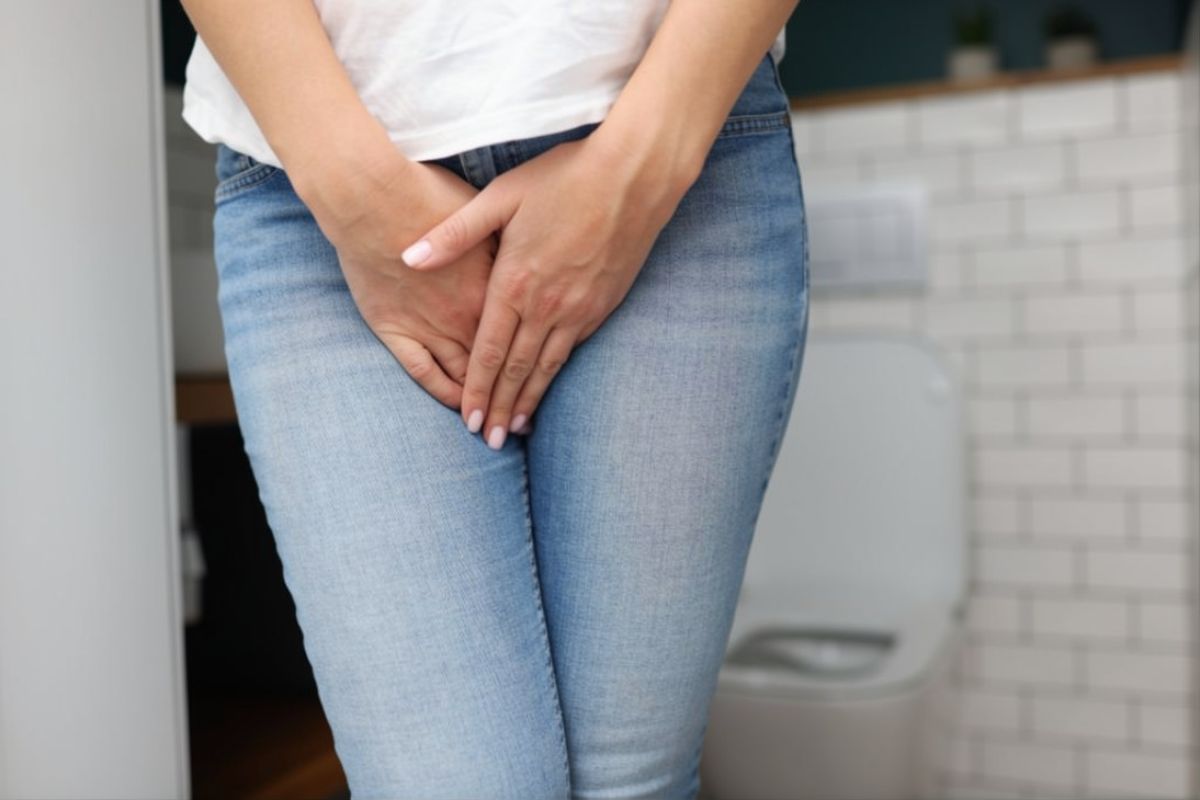
Dealing with involuntary urine leakage can be deeply frustrating and often isolating. If you experience both a sudden, intense need to urinate and leaks when you laugh, cough, or exercise, you're likely grappling with mixed incontinence (MUI). This common yet often unspoken condition affects millions of women and can severely diminish quality of life due to embarrassment and the avoidance of social or physical activities.
Fortunately, you don't have to live with it. Understanding the causes and implementing targeted strategies—including effective pelvic floor training at home with innovative tools like the Perifit Kegel trainer—can significantly reduce symptoms and restore your confidence.
What is mixed incontinence?
💡 Mixed incontinence (MUI) is a urinary condition characterized by the simultaneous occurrence of two distinct types of urinary incontinence: stress incontinence and urge incontinence.
Mixed incontinence (MUI) is a urinary condition characterized by the simultaneous occurrence of two distinct types of urinary incontinence: stress incontinence and urge incontinence.
It's a combination platter of bladder control problems. Stress incontinence (SUI) involves involuntary urine leakage when pressure is placed on the bladder, such as during a cough, sneeze, laugh, or while performing physical activities like running or jumping. This happens because the pelvic floor muscles supporting the urethra are weakened.
In contrast, urge incontinence (UUI), often associated with an overactive bladder, is defined by a sudden, strong, and uncontrollable urge to urinate, followed by leakage if you can't get to a restroom in time. This type is related to involuntary contractions of the bladder muscle.
MUI is distinct because it presents symptoms of both. For example, a woman with MUI might experience involuntary loss of urine on a treadmill (SUI) but also experience a leak shortly after a sudden, intense need to go, even when her bladder isn't full (UUI). The simultaneous presence of these two mechanisms—physical weakness and bladder hypersensitivity—makes MUI a more complex form of incontinence to manage than either type alone.
Symptoms of mixed incontinence
Recognizing the symptoms of mixed incontinence is the first step toward getting effective treatment. Because MUI is a combination of SUI and UUI, its symptoms can vary widely but generally include:
- Stress-related leaks:
- Leaking urine when you cough, sneeze, or laugh
- Involuntary loss of urine when lifting heavy objects, bending, or changing positions.
- Experiencing a few drops or a stream of urine while engaging in other high-impact exercise
- Leaking urine during intercourse, particularly with penetration or orgasm.
- Urge-related leaks:
- A sudden, compelling, and hard-to-defer need to urinate (urgency).
- Involuntary loss of urine that occurs immediately after or concurrent with this strong urge.
- Needing to urinate frequently, often more than eight times in 24 hours (frequency).
- Waking up to urinate two or more times a night (nocturia).
💡 The cumulative impact of these symptoms on daily life can be significant, leading to social isolation, embarrassment, and a reduced willingness to participate in activities, all of which compromise overall quality of life.
Causes and risk factors
Mixed incontinence arises from a combination of the factors that cause both stress and urge incontinence. Understanding these underlying reasons is crucial for choosing the right treatment.
Weakened pelvic floor muscles
The muscles and connective tissues that form your pelvic floor act as a sling, supporting your bladder, uterus, and bowels, and controlling the opening and closing of the urethra.
- Childbirth and pregnancy: These are primary risk factors. The physical strain of pregnancy and the stretching and possible tearing of muscles and nerves during a vaginal delivery can significantly weaken the pelvic floor muscles, leading to SUI symptoms that contribute to MUI.
- Prior pelvic surgery: Procedures like a hysterectomy can also affect the pelvic support structures.
Age and menopause
As women age, the risk of incontinence increases.
- Hormonal changes: The decrease in estrogen that occurs during menopause can affect the tissue lining the urethra and bladder. Estrogen helps keep these tissues healthy and flexible. Its decline can thin the urethral lining, potentially contributing to both weakness (SUI) and increased bladder irritation (UUI).
Lifestyle and health factors
Several other chronic health conditions and daily habits can exacerbate or cause MUI.
- Obesity: Excess body weight puts constant, increased pressure on the bladder and supporting pelvic floor muscles, which can lead to stress leaks.
- Chronic coughing: Conditions like chronic bronchitis or smoker's cough put repetitive, high-impact stress on the pelvic floor, weakening it over time.
- Nerve damage: Diseases such as multiple sclerosis (MS), Parkinson's disease, or diabetes can damage the nerves that control the bladder and the muscles of the pelvic floor. This nerve impairment can disrupt the signals between the brain and bladder, contributing to both poor muscle control (SUI) and inappropriate bladder contractions (UUI).
Should you keep a bladder diary if you suspect mixed incontinence?
Yes, keeping a bladder diary is a crucial step if you suspect you have mixed incontinence.
A bladder diary is one of the most simple yet informative diagnostic tools available. It's an essential part of the diagnostic process because it provides objective data that can help your healthcare professional—your doctor or a physical therapist—accurately differentiate between stress incontinence and urge incontinence and quantify the severity of your MUI.
For several days (typically 2-4), you'll record:
- Fluid intake: The amount and type of all liquids consumed.
- Voiding (urination) frequency: The time and amount of each time you urinate.
- Incontinence episodes: The time, amount of leakage, and, most importantly, the activity or feeling that preceded the leak.
This last point is critical for MUI. If your diary shows that a leak occurred after a sudden, strong urgency, it points to the urge component. If a leak occurred during a cough, sneeze, or run, it indicates the stress component. Without this distinction, treatment may be less targeted and effective.
Diagnosing mixed incontinence
Getting a professional diagnosis is the key to creating an effective treatment plan. Do not rely on self-diagnosis; seek out a medical professional like a urologist, gynecologist, or specialized pelvic floor physical therapist.
The diagnostic process typically involves several steps:
- Patient history: The doctor will ask detailed questions about your symptoms, medical background, medications, and lifestyle. This is where your bladder diary (see above) is paramount for distinguishing between stress and urge components.
- Physical exam: This may include a pelvic exam for women to assess the strength of the pelvic floor muscles and check for prolapse or other physical factors. You may be asked to cough to test for leakage (the "stress test").
- Urinalysis: A urine sample is checked for signs of infection or blood, which could be the cause of your symptoms.
- Post-void residual (PVR): The doctor measures how much urine is left in your bladder after you try to empty it, either via a catheter or ultrasound.
- Urodynamic testing: If the initial diagnosis is unclear or surgery is considered, more specialized tests may be performed. These tests measure bladder pressure, urine flow, and how the bladder fills and empties.
Treatment options
Managing mixed incontinence often requires a multi-faceted approach, combining lifestyle modifications with medical or physical therapy treatments.
Lifestyle & self-management
These are foundational and should be the starting point for most people.
Implementing lifestyle changes can significantly impact both stress and urge components of MUI.
- Bladder training is a core component for the urge side, involving gradually increasing the time between voids to help the bladder hold more urine and normalize its function.
- Timed voiding is a related technique where you stick to a set schedule for bathroom visits, whether you feel the urge or not.
- Weight management is crucial, as reducing excess abdominal pressure directly lessens stress on the pelvic floor. Lastly, limiting bladder irritants such as caffeine, alcohol, and acidic foods can help calm an overactive bladder.
- Regular, consistent Kegel exercises are also vital for strengthening the weak muscles contributing to stress leaks.
Medical & non-surgical treatments
If lifestyle changes alone are insufficient, medical interventions can target the overactive bladder component.
Bladder medications (anticholinergics or beta-3 agonists) can relax the bladder muscle to reduce urgency and frequency, treating the UUI component.
Pelvic floor therapy with a specialized physical therapist is highly effective, teaching you proper Kegel exercises technique and advanced pelvic muscle control. This often includes biofeedback, which uses sensors to help you visualize and feel your muscle contractions. In some cases, mild electrical stimulation can be used to strengthen weak muscles or calm an overactive bladder.
For stress incontinence, an intravaginal pessary—a stiff ring or device inserted into the vagina—can support the bladder neck and urethra, preventing leaks during physical activity.
Surgical options
Surgery is typically considered a last resort when conservative treatments fail, and it primarily targets the stress incontinence component.
The most common procedure is sling surgery, which uses strips of synthetic mesh or the patient's own tissue to create a "sling" or hammock under the urethra to support it and keep it closed during physical stress.
Alternatively,bulking agents—substances injected into the tissue around the urethra—can help it close more tightly. Because MUI involves two mechanisms, the success of surgery is often dependent on how bothersome the stress component is compared to the urge component. A urologist will carefully assess if the primary issue is structural weakness before recommending surgery for incontinence or any type of bladder surgery.
Perifit Care and Care+: innovative solutions to manage mixed incontinence effectively
For women dealing with mixed incontinence, consistent and correct pelvic floor training at home is non-negotiable for symptom reduction.
💡 Perifit Care et Perifit Care+ proposent à chaque utilisateur.trice des exercices de Kegel, sous la forme de jeux interactifs motivants. Chacun.e peut ainsi programmer son propre parcours de renforcement périnéal et vérifier son activité en temps réel.
The Perifit Care and Care+ devices offer an innovative, engaging, and effective way to perform Kegel exercises.
How Perifit's mixed incontinence program works
Continence is the ability to control your bladder and bowels. Stress incontinence is often due to a weak pelvic floor that can't prevent leaks during physical stress, while urge incontinence is the sudden, intense need to urinate from bladder muscle contractions. Pelvic floor exercises, when done correctly, help regulate urges and strengthen the muscles for better control.
The Perifit Mixed Incontinence program acts like a pelvic floor bootcamp, designed to address both components simultaneously. You'll perform a mix of exercises:
- Fast, strong contractions to build the reactive strength needed to prevent leaks during sudden pressure events like coughing or sneezing (targeting SUI).
- Longer, less intense contractions to train muscle endurance, which helps suppress bladder urges and provides overall pelvic support (targeting UUI).
The Perifit Care+ app analyzes five key dimensions of each Kegel contraction, ensuring quality and effectiveness:
| Key Dimension | Goal |
|---|---|
| Strength | Contraction is strong enough to ensure continence and stop leaks. |
| Endurance | Contraction is held for a few seconds to calm urge and promote pelvic support. |
| Control | Contraction is well-timed and occurs as fast as needed to react to stress. |
| Relaxation | Ensures a wide range of motion and flexible muscles for overall pelvic health. |
| Kegel quality | Ensures the contraction is correctly isolating the pelvic floor muscles, not increasing abdominal pressure. |
Expected results
The commitment to consistent Kegel training with the Perifit device yields significant benefits. Research studies suggest that overall, pelvic floor muscle training can cure or improve symptoms in up to 85% of cases.
With the structured, objective, and consistent training provided by the Perifit program, you are setting yourself up for success. While you may notice some initial results within weeks, for others it can take between 3 and 6 months of regular, consistent training to achieve maximum benefit. Consistency is key! Keep at it to ensure lasting improvement in your bladder control and quality of life.
Living with mixed incontinence can feel like a daunting and embarrassing battle, but modern medicine and innovative tools offer a clear path to relief. By defining your condition, keeping a meticulous bladder diary, and seeking a professional diagnosis, you can pinpoint the specific stress and urge components of your symptoms.
Effective management is built on a foundation of lifestyle changes, targeted pelvic floor therapy, and consistent practice. Using smart tools like the Perifit Kegel trainer can revolutionize your training pelvic floor at home, turning complex exercises into engaging, quantifiable progress. You deserve to live a life free from the worry of leaks. By taking proactive steps today, you can regain control, restore your confidence, and fully participate in all the activities you love.
Source:
- https://pmc.ncbi.nlm.nih.gov/articles/PMC6516955/