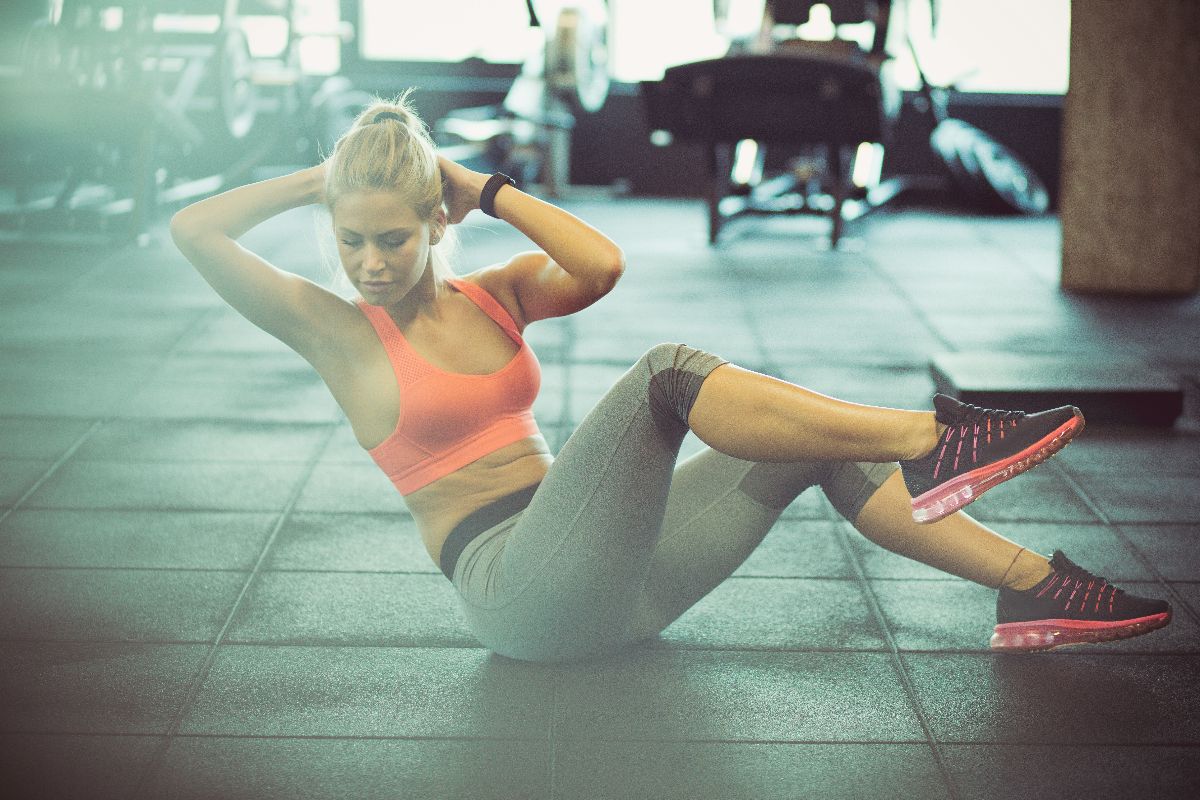
You glance around, hope no one noticed, and keep going.
If this has happened to you, you're not alone. Urinary incontinence is much more common in female athletes than most people realize. It can affect women of all ages, including teenagers and women who have never been pregnant. While it may feel embarrassing, leaking during exercise is not something you simply have to accept as part of being active.
The good news? It is common, but it is also treatable. The first step is understanding why it happens and knowing that effective treatment is available.
How common is incontinence among female athletes?
Statistics and prevalence
The numbers may surprise you. Research shows that nearly 44% of female athletes experience urinary incontinence, compared with much lower rates in women who are not competitive athletes. Among elite athletes, almost half report urine leakage during training or competition.
Your sport also matters. High-impact activities place much greater demands on the pelvic floor than lower-impact exercise. Studies have found leakage rates ranging from about 6% in some low-impact sports to as high as 80% in trampolining. Other sports with higher rates include gymnastics, rope skipping, CrossFit, long-distance running, and volleyball.
Younger athletes are not immune either. A systematic review of adolescent female athletes found that nearly half experienced urinary incontinence, with the highest rates reported in trampolining and rope skipping.
These numbers tell us something important: urine leakage in athletes is common — but it should never be considered normal or ignored.
Why many athletes don't talk about it
Despite the numbers, most women stay silent. In one study, 95.5% of athletes who experienced urinary incontinence had never discussed it with a healthcare professional. Athletes described the condition as affecting their performance and making them feel uncomfortable and frustrated.
There is a widespread belief that leaking during exercise is simply part of being an active woman, particularly after pregnancy. This normalization is dangerous. It delays assessment, delays treatment, and quietly chips away at athletic confidence. Incontinence is common among athletes, but it is not inevitable, and it is not something to manage around with dark leggings and crossed fingers.
Why do female athletes experience incontinence?
Increased pressure on the pelvic floor
Every jump, sprint, heavy lift, or quick change of direction increases the pressure inside your abdomen. Normally, your pelvic floor muscles respond automatically by tightening just enough to support your bladder and prevent urine from leaking.
During high-impact exercise, however, that pressure can become greater than the pelvic floor can manage. If the muscles cannot respond quickly enough — or become overwhelmed by repeated impact — urine leakage can occur.
This doesn't necessarily mean something is "wrong." It often means your pelvic floor is struggling to keep up with the demands of your sport.
Pelvic floor muscle fatigue
Your pelvic floor muscles can get tired just like your legs, shoulders, or core. Long training sessions, frequent high-impact workouts, and limited recovery time can all lead to pelvic floor muscle fatigue. When these muscles become fatigued, they may not generate enough support or react quickly enough during movements like jumping, sprinting, or lifting.
Think about how your legs feel at the end of a long race. They're still strong, but they don't respond as well as they did at the start. Your pelvic floor can experience the same type of fatigue. Recovery is just as important for your pelvic floor as it is for every other muscle you train.
Hormonal and physiological factors
Training hard also affects your hormones. Female athletes who consistently burn more energy than they consume may develop Relative Energy Deficiency in Sport (RED-S). One effect of RED-S is lower estrogen levels.
Estrogen helps maintain the health and flexibility of the tissues that support the bladder and pelvic floor. When estrogen levels are low, these tissues may become less resilient, making urinary leakage more likely. Hormonal changes throughout the menstrual cycle can also influence pelvic floor symptoms. Some athletes notice more leakage, heaviness, or discomfort during certain phases of their cycle. As women age, hormonal changes — including menopause — can further increase the risk of urinary incontinence.
Hypertonic vs. hypotonic pelvic floor
Here is the point that changes everything for athletes: a leaking athlete does not necessarily have a weak pelvic floor. In fact, many athletes have pelvic floor muscles that are too tight, not too weak.
Years of high-impact training may cause the pelvic floor muscles to develop increased resting tension. These muscles may feel strong, but they lose the ability to relax and respond quickly when the body needs them. This is known as a hypertonic, or overactive, pelvic floor.
A hypertonic pelvic floor may:
- Stay tense even at rest
- Have difficulty relaxing between movements
- Respond too slowly during high-impact activities
- Contribute to stress urinary incontinence, pelvic pain, or difficulty emptying the bladder
On the other hand, a hypotonic pelvic floor is underactive or weak. These muscles may not generate enough support to keep the bladder closed during sudden increases in pressure, such as jumping or lifting.
The important takeaway is that both conditions can cause urine leakage — but they require different treatments. For a weak pelvic floor, strengthening exercises may be appropriate. For an overactive pelvic floor, the priority is learning how to relax, lengthen, and improve coordination before beginning any strengthening program.
💡 Doing more Kegel exercises is not always the right response to leakage. For athletes with a hypertonic (overactive) pelvic floor, standard Kegel training can actually worsen symptoms. A proper assessment by a pelvic floor physical therapist is essential before starting any rehabilitation program.
What are the symptoms of incontinence in female athletes?
Urinary incontinence doesn't look the same for every athlete. Some women notice only a few drops of urine during certain exercises, while others experience more frequent or larger leaks. The symptoms can also change depending on your training intensity, fatigue level, or where you are in your menstrual cycle. Recognizing these signs early can help you address the problem before it begins affecting your confidence or performance.
Leakage during exercise
The most obvious symptom is urine leakage during physical activity. For some athletes, it happens every workout. For others, it only occurs during intense training sessions, when they're fatigued, or at certain times during their menstrual cycle. Even a small amount of leakage is worth paying attention to. While it's common among female athletes, it isn't something you should simply accept as part of training.
Leakage when jumping, running, or lifting
Many athletes notice leakage during specific movements rather than throughout an entire workout. High-impact activities such as jumping, sprinting, jumping rope, or lifting heavy weights create rapid increases in pressure inside the abdomen. If the pelvic floor can't respond quickly enough to support the bladder, urine leakage can occur. This pattern is called stress urinary incontinence. The word "stress" refers to physical stress placed on the bladder — not emotional stress.
Feeling of pelvic heaviness
Not every pelvic floor problem causes leakage. Some athletes notice a feeling of heaviness, pressure, or dragging in the pelvis during or after training. Others describe it as feeling like something is "falling" or "bulging." These symptoms may be caused by pelvic floor muscle fatigue, poor pressure management, or, in some cases, pelvic organ prolapse. Any feeling of pelvic heaviness or pressure deserves an evaluation by a healthcare provider or pelvic floor physical therapist.
Reduced athletic confidence and changing how you train
Avoiding certain exercises, wearing dark colors for every session, pre-emptively going to the bathroom before a WOD or a race: these behavioral changes are symptoms too. When incontinence starts shaping how you train, it is affecting your performance in ways that go beyond the physical.
Many athletes begin changing their workouts without realizing it. You might:
- Empty your bladder before every set or race
- Wear dark leggings to hide leaks
- Avoid box jumps or double-unders
- Skip heavy lifts
- Reduce your running distance or intensity
- Worry about leaking during competition
These adjustments may temporarily reduce leakage, but they don't address the underlying problem. If urinary incontinence is changing the way you train or compete, it's affecting more than just your bladder — it may also be limiting your athletic potential.
Which sports carry the highest risk of urinary incontinence?
Not every sport places the same demands on the pelvic floor. Activities that involve repeated jumping, landing, sprinting, or heavy lifting create larger and more frequent increases in pressure inside the abdomen. Research has found that leakage most commonly occurs during jumping, followed by running, although it can happen during many different athletic movements.
- Trampoline and gymnastics: every landing creates a rapid increase in pressure that the pelvic floor must absorb and control in a fraction of a second. Studies have reported leakage rates of up to 80% in female trampolinists.
- CrossFit and weightlifting: heavy lifting, repeated high-intensity workouts, and explosive movements all place significant demands on the pelvic floor. Exercises such as heavy squats, deadlifts, Olympic lifts, and box jumps require the core and pelvic floor to manage large pressure changes.
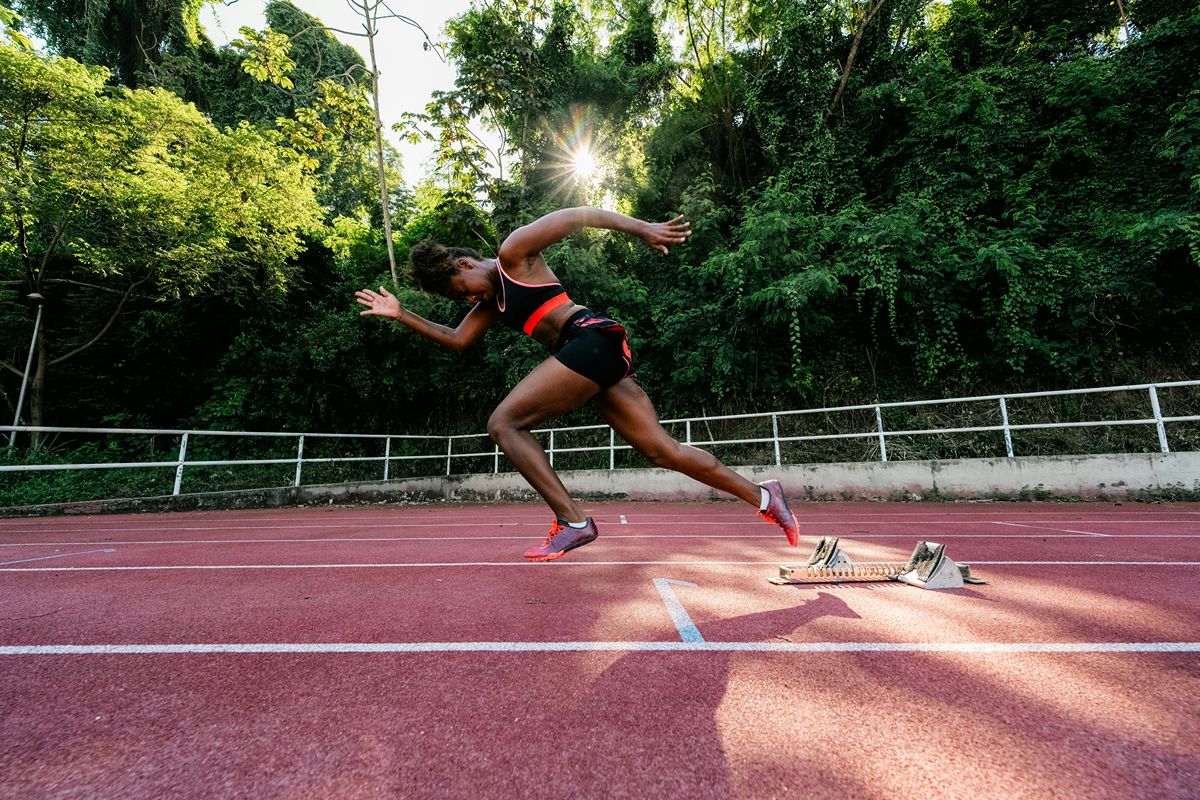
- Running and track and field: running places repeated impact forces through the entire body — including the pelvic floor. Over long distances, these repetitive forces can contribute to muscle fatigue, making leakage more likely during longer training sessions or races.
- Rope skipping: although it may seem like a simple exercise, rope skipping creates repeated high-impact landings similar to trampolining. It's one of the most common activities associated with exercise-related urine leakage, especially in younger athletes.
- Team sports such as volleyball, basketball, and indoor football: these sports combine sprinting, jumping, cutting, and quick changes of direction, challenging the pelvic floor throughout both training and competition.
💡 The goal isn't to avoid these sports. Many women continue to compete at a high level after addressing their pelvic floor dysfunction. The key is understanding how your body responds to your sport and making sure your pelvic floor has the strength, coordination, and flexibility needed to meet those demands.
How to manage and treat incontinence as a female athlete
The good news is that urinary incontinence is highly treatable. The right treatment depends on why you're leaking — not just the fact that you're leaking. For some athletes, the pelvic floor needs to become stronger. For others, the muscles need to learn how to relax and coordinate better. That's why getting the right diagnosis is the first and most important step.
Consult a pelvic floor physical therapist
This is always step one. A pelvic floor PT will assess whether your muscles are weak, tight, or simply poorly coordinated, and design a protocol accordingly. Effective treatment for a hypertonic pelvic floor teaches the muscles to relax through downtraining, using breath work, manual therapy, biofeedback, and progressive relaxation to restore normal resting tone. Only after the muscles can fully relax should strengthening be considered. Without an assessment, you're guessing — and what helps one athlete could make another athlete's symptoms worse.
Breathing techniques and core synergy
Breathing is one of the most overlooked parts of pelvic floor health. Many athletes hold their breath or brace excessively during heavy lifts, explosive movements, or high-intensity workouts. Learning to coordinate your breathing with movement can help your body manage pressure more effectively. For many exercises, exhaling during the effort — such as standing up from a squat or lifting a weight — may help reduce excessive downward pressure on the pelvic floor. Improving this coordination is often just as important as strengthening the muscles themselves.
Pessaries
For athletes who want to continue training while working through rehabilitation, a sport pessary may be an option. A pessary is a small silicone device inserted into the vagina to provide extra support for the bladder and urethra during exercise. It can help reduce leakage during high-impact activities. Think of it as temporary support — not a replacement for rehabilitation.
Use the Perifit Kegel trainer
If your pelvic floor assessment shows that your muscles are weak or underactive, biofeedback can help you learn how to train them correctly. One of the biggest challenges with pelvic floor exercises is knowing whether you're actually contracting the right muscles. The Perifit Care and Perifit Care+ devices use interactive biofeedback to help improve awareness, coordination, strength, and endurance of the pelvic floor muscles during home training.
In a large pragmatic study of more than 6,000 Perifit users, researchers found that urinary incontinence symptom scores improved over time with consistent use.
💡 Biofeedback isn't the starting point for everyone. If your pelvic floor muscles are overactive or too tight, your first goal is learning to relax and improve coordination — not strengthening. Your pelvic floor physical therapist can help determine when strengthening exercises or biofeedback training are appropriate.
Can a strong athlete still have a weak pelvic floor?
The misconception about strength and pelvic health
Absolutely. One of the biggest misconceptions is that if you're strong everywhere else, your pelvic floor must be strong too. That's simply not true. You can deadlift twice your body weight, run marathons, or compete at an elite level and still have a pelvic floor that isn't functioning well. The pelvic floor has a unique job — it doesn't just produce force, it also has to respond automatically, coordinate with your breathing and core muscles, and relax when it's supposed to. General strength doesn't guarantee those skills.
Strong muscles vs. functional pelvic floor muscles
A healthy pelvic floor needs to do four things well:
- Contract when support is needed
- Fully relax afterward
- Coordinate with your diaphragm and deep core muscles
- Respond automatically during movement and impact
If any one of these abilities is missing, symptoms like urine leakage, pelvic heaviness, or pelvic pain can develop — even in very strong athletes. That's why pelvic floor function is about much more than strength alone.
Overactive vs. weak pelvic floor
A hypotonic (weak) pelvic floor doesn't generate enough support during sudden increases in pressure, such as jumping, sprinting, or lifting heavy weights. In many cases, a progressive strengthening program is appropriate.
A hypertonic (overactive) pelvic floor is different. These muscles stay tense for too long and don't relax or respond efficiently during movement. Before strengthening begins, the priority is restoring normal muscle length, relaxation, and coordination.
Both conditions can cause leakage. Both require different interventions. Doing more Kegel exercises is not always the answer, and in the case of a hypertonic pelvic floor, it can actively make things worse.
What is the best sport for women with incontinence?
If you're experiencing urinary leakage during exercise, you may wonder if you need to stop doing the sport you love. In most cases, the answer is no. During rehabilitation, some women benefit from temporarily reducing high-impact activities while building strength, coordination, and confidence. Lower-impact exercises such as swimming, walking, cycling, Pilates, and yoga can help you stay active while placing less stress on the pelvic floor.
The goal isn't to replace your sport — it's to restore your pelvic floor's ability to meet its demands. With the right assessment, rehabilitation, and training plan, many women successfully return to running, CrossFit, weightlifting, gymnastics, and other high-impact sports without leaking.
Urinary incontinence is common among female athletes, but it is not a normal or expected part of training.
Whether your pelvic floor is weak, overactive, or poorly coordinated, identifying the underlying cause is the first step toward effective treatment. A pelvic floor physical therapist can help determine the right approach, whether that involves relaxation techniques, strengthening, or improving coordination.
If strengthening is appropriate, biofeedback tools such as the Perifit Care and Perifit Care+ can help guide pelvic floor training at home.
You don't have to stop doing the sport you love. With the right assessment, rehabilitation, and training plan, many female athletes can return to high-impact exercise with greater confidence and fewer symptoms.
Sources:
- Carvalho Rodrigues et al. (2021) — Observational Study on the Prevalence of UI in Female Athletes: PMC
- Ruiz Pertega et al. (2021) — Prevalence of UI among adolescent female athletes: PMC
- Teixeira et al. (2018) — Urinary incontinence in female athletes: a systematic review: PubMed
- Ruiz et al. (2020) — Prevalence of UI among elite athletes: PubMed
- Bø & Sundgot-Borgen (2010) — Occurrence rates and predictors of LUTS in female athletes: PubMed
- Reis et al. (2021) — Stress Urinary Incontinence Among Young Nulliparous Female Athletes: PMC
- Perrier & Aumont (2024) — Pelvic Floor Muscle Training Using the Perifit Device: A Pragmatic Trial: PubMed