
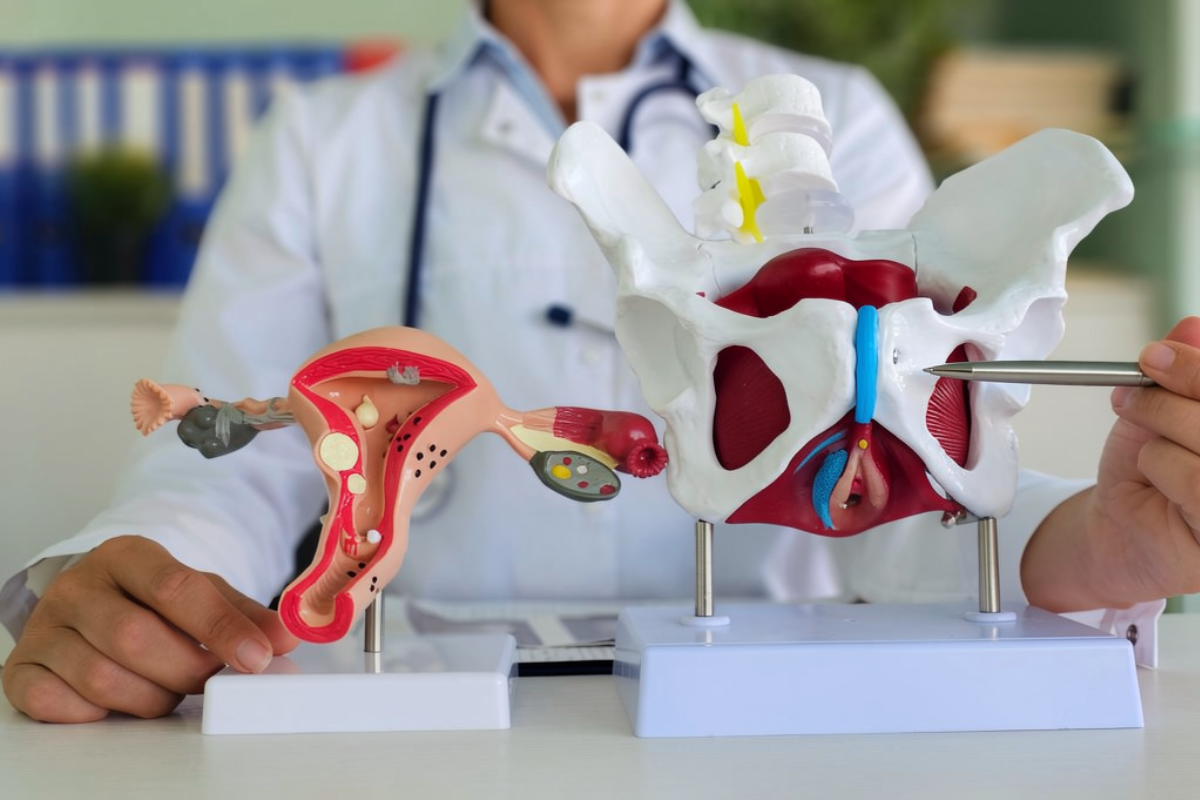
A rectocele, a type of pelvic organ prolapse where the wall between the rectum and vagina weakens, can make daily life feel heavy — literally. You might experience a persistent feeling of pressure, difficulty with bowel movements, or a noticeable bulge. While it's a common condition, it often feels like something you have to just "deal with." However, while exercises may not physically "knit" the wall back together or completely "cure" a physical bulge, they are an essential tool for symptom management and are your first line of defense in preventing progression.
Can exercises help a rectocele prolapse?
If you are dealing with a rectocele, focused exercises are one of the most effective ways to improve your quality of life without immediate surgical intervention.
Why strengthening matters
The goal of pelvic floor exercises isn't just about "tightening"; it's about functional support. When you strengthen the pelvic floor muscles, specifically the levator ani group, you are essentially building a stronger "shelf" for your pelvic organs to sit on.
Here is how targeted movement helps:
- Supporting pelvic floor muscles: exercises increase the tone and endurance of the muscles that hold your rectum in place.
- Improving bowel function: better muscle coordination helps you empty your bowels more effectively, reducing the need for straining — which is often a primary cause of rectocele.
- Reducing pressure symptoms: a stronger pelvic floor can alleviate that heavy, "falling out" sensation.
- Preventing progression: by managing intra-abdominal pressure, you stop the prolapse from moving to a more severe stage.
The mechanics of the "pelvic shelf"
Think of your pelvic floor as a hammock. When that hammock is saggy, the rectum can easily press into the vaginal space. By performing rectocele prolapse exercises, you are tightening the fibers of the levator ani. This creates a firm platform that prevents the rectum from protruding forward, significantly reducing the discomfort associated with both rectocele and related issues like anal prolapse.
Understanding the limits
While exercise is powerful, it is important to have realistic expectations. For those with moderate to severe (Stage III or IV) rectocele, exercises may not eliminate the bulge entirely. In these cases, physical therapy is often used in conjunction with other treatments like pessaries.
💡 Working with a pelvic floor physical therapist is highly beneficial — they can ensure you aren't accidentally "bearing down" during your exercises, which could actually worsen the pressure on the rectocele.
Top exercises for rectocele management
Effective management of a rectocele starts with relearning how to coordinate your deep core and pelvic floor. These exercises focus on building functional strength and managing intra-abdominal pressure to protect the rectal wall.
1. Diaphragmatic breathing: the foundation
Before you lift a single weight or do a "squeeze," you must master your breath. This is the cornerstone of all breathing exercises for pelvic floor health.
- How to do it: sit or lie down comfortably. Place one hand on your chest and the other on your belly.
- The connection: inhale deeply through your nose, allowing your ribs and belly to expand outward (this gently relaxes the pelvic floor). On the exhale, feel your belly naturally fall and your pelvic floor gently lift.
- Why it works: it synchronizes the diaphragm and the pelvic floor, ensuring you don't breath-hold and create downward pressure on the rectocele.
2. Modified Kegels (pelvic floor contractions)
When performing rectocele prolapse exercises, quality always beats quantity. The goal is a functional "lift" rather than a panicked "squeeze."
- How to do it: as you exhale, imagine you are trying to pick up a blueberry with your vaginal and anal opening, lifting it toward your belly button.
- The focus: ensure you aren't gripping your glutes or inner thighs. Keep your breath moving throughout the contraction — never hold your breath, as this increases pressure on the prolapse.
3. The bridge (glute bridge)
The glutes are the "powerhouse" neighbors of the pelvic floor. Strong glutes provide an external support system for the pelvis.
- How to do it: lie on your back with knees bent and feet flat on the floor.
- The movement: exhale and lift your hips toward the ceiling, engaging your gluteal muscles. Hold for a few seconds at the top while maintaining a neutral spine.
- Why it works: it strengthens the posterior chain, which helps stabilize the pelvic basin and offloads direct pressure from the pelvic organs.
4. Bird-dog
This is one of the best deep core pelvic floor exercises because it challenges your stability without the "crunching" motion that can worsen a rectocele.
- How to do it: start on all fours (tabletop position).
- The movement: simultaneously extend your right arm forward and your left leg back. Keep your hips level and your spine long. Repeat on the other side, extending your left arm forward and your right leg back.
- The focus: use your exhale during the extension to keep your deep core engaged, preventing your belly from sagging toward the floor.
5. Pelvic tilts
Gentle movement is key to maintaining spine mobility and increasing your pelvic awareness.
- How to do it: lie on your back with knees bent.
- The movement: gently flatten the small of your back against the floor by tilting your pelvis toward your face, then slowly arch your back to create a small space.
- Why it works: it's a great way to "wake up" the muscles surrounding the rectum and vagina and is often used in yoga poses for pelvic floor recovery to decrease stiffness and improve circulation.
What exercises should I avoid with a rectocele?
Protecting your pelvic floor is just as much about what you don't do as what you do. Certain movements create high intra-abdominal pressure, which acts like a piston pushing down on the weakened rectal wall.
1. High-impact exercises
Activities like running, jumping rope, or high-intensity interval training (HIIT) involve "impact loading."
- The risk: every time your feet hit the ground, gravity and momentum increase the downward force on your pelvic organs.
- The solution: if you feel a "heavy" sensation or leaking during these activities, it's a sign to switch to low-impact cardio like cycling, swimming, or elliptical training until your pelvic floor support improves.
2. Heavy lifting and straining
Traditional strength training manoeuvres — such as heavy deadlifts, deep weighted squats, or CrossFit-style powerlifting — can be risky for a rectocele if not managed carefully.
- The danger of the Valsalva manoeuvre: many lifters instinctively hold their breath and "bear down" to lift heavy weight. This creates massive pressure that can push the rectocele further into the vaginal canal.
- The rule: if you cannot lift a weight while maintaining a steady exhale, the weight is likely too heavy for your pelvic floor to handle safely.
3. Certain core exercises
Standard "abs" workouts often do more harm than good for a prolapse.
- Sit-ups and crunches: these movements compress the abdomen and push the internal organs downward toward the pelvic floor.
- Planks: while great for some, a long-held plank can cause the "doming" of the stomach, signaling that intra-abdominal pressure is bypassing the core and heading straight for your rectocele.
- Modification over fear: you don't have to fear these moves forever, but you should prioritize deep core pelvic floor exercises (like the bird-dog mentioned above) that build stability from the inside out without the crushing pressure.
💡 The key principle with rectocele is to always exhale on exertion. Whether you're lifting, exercising, or even coughing, pairing the effort with an exhale helps manage intra-abdominal pressure and protects the weakened rectal wall.
Does losing weight help with rectocele symptoms?
Yes, weight management can play a significant role in managing pelvic organ prolapse. Carrying excess weight, particularly in the abdominal area, increases the constant intra-abdominal pressure exerted on your pelvic floor.
Think of your pelvic floor like a trampoline: the more weight it has to support 24/7, the more the "springs" (your muscles and ligaments) begin to stretch and sag. By reducing excess body weight, you effectively lighten the load on the weakened wall between the rectum and vagina. This reduction in pressure can alleviate the daily "heaviness" and make your rectocele prolapse exercises more effective, as the muscles aren't constantly fighting against a heavy downward force.
What is the best sleeping position for rectocele?
While you sleep, your goal is to give your pelvic floor a total "break" from gravity. The most recommended position for those with a rectocele is sleeping on your side with a pillow between your knees.
- The alignment: the pillow helps keep your hips, pelvis, and spine in a neutral alignment, preventing the pelvis from twisting and putting uneven tension on pelvic ligaments.
- The benefit: this position minimizes direct pressure on the rectal wall. Some people also find relief by placing a small pillow under their hips while lying on their back (the supine position) to allow gravity to gently shift the pelvic organs back toward the abdomen, providing a "manual" decongestion of the pelvic area.
Can a pelvic floor trainer like Perifit help manage rectocele symptoms?
Technology has made pelvic floor strengthening much more accessible. Devices like the Perifit Care or Care+ or other internal trainers can be excellent tools because they utilize biofeedback for pelvic floor training.
- The power of biofeedback: one of the biggest challenges with rectocele prolapse exercises is knowing if you are actually lifting or accidentally pushing down. Biofeedback devices connect to an app that gives you real-time visual cues, ensuring your technique is correct.
- Engagement and consistency: these trainers often turn exercises into games, which can help with the 6 to 12 weeks of consistency needed to see real results.
Managing a rectocele is a journey that involves more than just a single exercise; it is about a lifestyle shift toward pelvic health awareness. From mastering diaphragmatic breathing and strengthening your levator ani to making smart adjustments in your sleeping positions and weight management, every small change contributes to a stronger "pelvic shelf."
While a physical bulge may remain, your symptoms do not have to control your life. By being consistent with your deep core pelvic floor exercises and avoiding high-pressure movements, you can regain your comfort, improve your bowel function, and protect your body for the years to come.