
Feeling confused, frustrated, or even isolated because sex is painful or simply not enjoyable anymore? You are not alone. Many people experience distress and confusion when sexual health suddenly shifts, often due to an underlying, yet rarely discussed, condition: Pelvic Floor Dysfunction (PFD). Simply put, PFD occurs when the muscles, ligaments, and connective tissues of the pelvic floor are too tight, too weak, or uncoordinated. The great news? PFD is a common, treatable issue that significantly impacts sexual health, including pain during intercourse, difficulty achieving orgasm, and overall intimacy. It's time to shine a light on this condition and explore the path back to a fulfilling sex life.
What is pelvic floor dysfunction (PFD)?
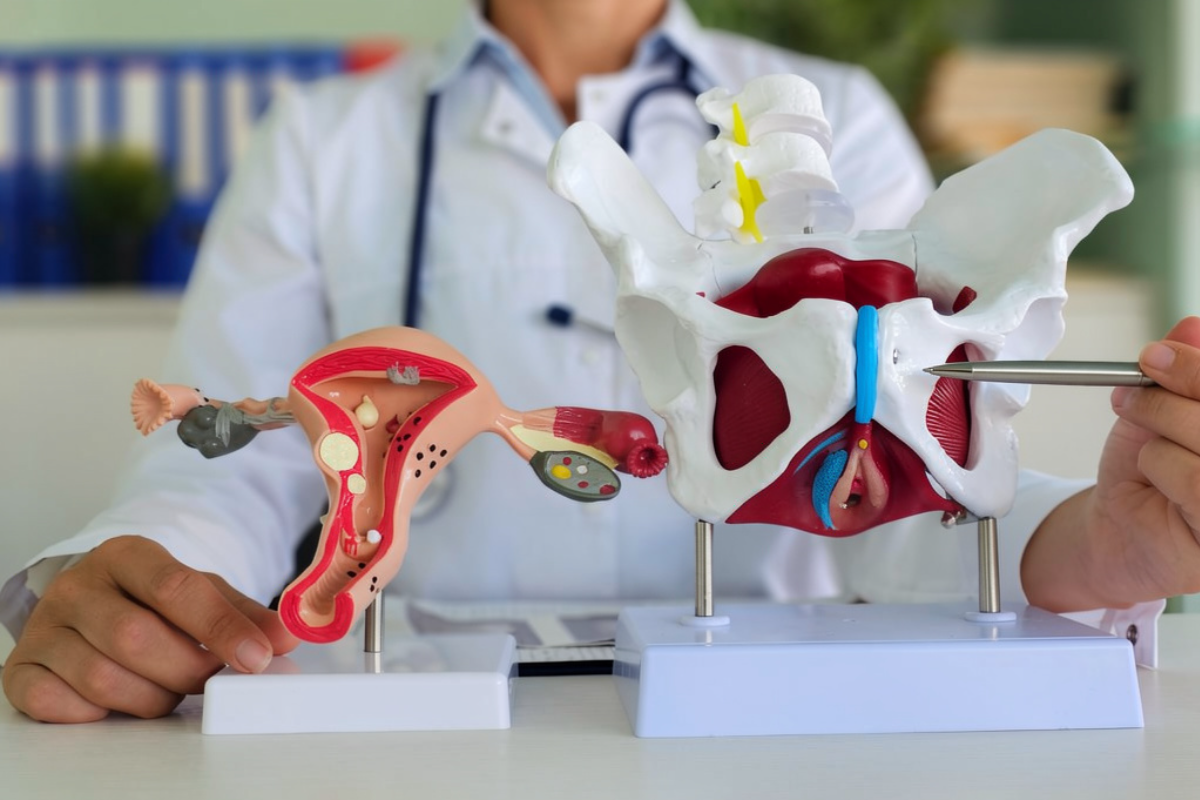
The pelvic floor muscles are a sling of tissues at the base of your pelvis, supporting organs like the bladder and uterus and controlling continence. Pelvic Floor Dysfunction (PFD) is when these muscles aren't working right.
It often presents in two main ways:
- Hypertonic (tight/overactive) pelvic floor, where muscles are restricted and painful;
- Hypotonic (weak/underactive) pelvic floor, leading to issues like leakage or prolapse.
How does PFD affect sexual function?
PFD significantly disrupts sexual function through physical mechanisms. A tight pelvic floor (hypertonic PFD) can cause muscles to spasm or resist stretching, resulting in dyspareunia (painful intercourse) or conditions like vaginismus. This muscle tension can contribute to altered blood flow, increased nerve sensitivity, and chronic pain during penetration.
Conversely, a weak pelvic floor (hypotonic PFD) can reduce sensation, cause issues like urinating during sex, or contribute to bothersome symptoms like air release (sometimes called "queefing and weak pelvic floor" related).
💡 Both types severely impact comfort and desire, making intimacy a source of stress rather than pleasure.
Symptoms & impact of pelvic floor dysfunction on sex
Common sexual issues linked to PFD
PFD manifests in various ways that interfere with sexual enjoyment and function.
- Dyspareunia: Deep or superficial pelvic pain during intercourse, common with a hypertonic (tight) pelvic floor.
- Vaginismus: Involuntary spasms or tightening of the vaginal muscles, often requiring specific vaginismus exercises as part of treatment.
- Erectile Dysfunction (ED): The pelvic floor muscles are crucial for sustaining an erection.
- Painful Orgasm: Muscle spasms or tension can make climax uncomfortable or painful.
- Reduced Sensation: Often linked to a weak (hypotonic) pelvic floor, decreasing pleasure.
Beyond physical pain: the emotional toll
💡 The impact of PFD extends far beyond the physical symptoms, creating a significant emotional and psychological burden.
Living with constant or anticipated pain can lead to profound anxiety and hypertonic pelvic floor tension, creating a vicious cycle where fear exacerbates muscle tightness. This often results in a fear of intimacy, withdrawal from sexual activity, and relationship stress. It's crucial to understand that these feelings are valid. Open, honest communication with partners is a vital step in seeking help and maintaining emotional connection, shifting the focus from performance to shared well-being.
Solutions & treatment
The role of pelvic floor physical therapy
Pelvic Floor Physical Therapy (PFPT) is considered the Gold Standard treatment for pelvic floor dysfunction and sex problems. A specialized Physical Therapist (PT) performs a thorough evaluation to identify the root cause, whether the muscles are too tight (hypertonic) or too weak (hypotonic). Treatment is highly individualized and may involve both external and internal manual techniques to release muscle restrictions or improve strength. Tools like biofeedback for pelvic floor training may be used to help you visualize and control muscle activity.
💡 The PT also provides a tailored home exercise program to integrate new habits and maximize function, addressing symptoms like dyspareunia or reduced sensation.
Techniques for managing pain during sex
When returning to intimacy, focusing on comfort and communication is key. Use high-quality, abundant lubrication to reduce friction. Experiment with positions that reduce deep penetration/pressure, such as side-lying or positions where you control the depth.
Maintain a slow pace and focus on pleasure, not performance. Many find relief by shifting the focus entirely to external stimulation and non-penetrative touch, which can help retrain the body and mind to associate intimacy with pleasure rather than pain. Remember, pain is not normal—stop and communicate with your partner if it occurs.
Mindfulness and relaxation
Mind-body techniques are essential for learning how to release pelvic floor tension, especially in cases of chronic pain and anxiety. Deep, controlled pelvic floor breathing exercises can directly influence the nervous system, helping to downregulate muscle overactivity. Try diaphragmatic breathing: lying down, inhale deeply into your belly and chest, and as you exhale, imagine the pelvic floor muscles gently softening and lengthening. Gentle, full-body stretching (like child's pose or happy baby) helps reduce overall muscle tension that often contributes to PFD. Consistent practice can significantly reduce the anxiety and hypertonic pelvic floor loop.
Boosting sexual sensation and intensity with pelvic floor training
For those ready to support their sexual wellness, pelvic health plays an important role in overall sexual function and comfort. It's time to find out how with training designed to boost your sensations. The Intimate Wellness program, available with devices like Perifit Care & Care+, is an advanced training routine designed to encourage sexual well-being. By improving the agility of your pelvic floor muscles, you can elevate your sexual experiences.
You may need the Intimate Wellness program if you seek more intense, satisfying sex, from foreplay to orgasm. By enhancing muscle agility and strengthening your pelvic floor with specialized pelvic floor exercises at home, you can experience sexual happiness. Improved pelvic floor coordination may enhance blood flow, neuromuscular control, and sensory awareness, which can positively influence sexual response for some individuals. Intensifying your orgasms, as the muscles contract rhythmically and involuntarily.
Pelvic floor dysfunction and sex do not have to be a lifelong struggle. Understanding PFD as a physical, treatable condition—not a psychological failing—is the first, most powerful step toward recovery. Whether you are dealing with the sharp pain of a hypertonic floor or the reduced sensation of a hypotonic floor, effective treatments, led by Pelvic Floor Physical Therapy, are available. By combining professional guidance, consistent home exercises, and open communication with your partner, you can successfully navigate PFD and reclaim a deeply fulfilling, intimate, and pain-free sexual life. Don't suffer in silence; seek help and remember that prioritizing your pelvic health is prioritizing your overall well-being.
Sources: