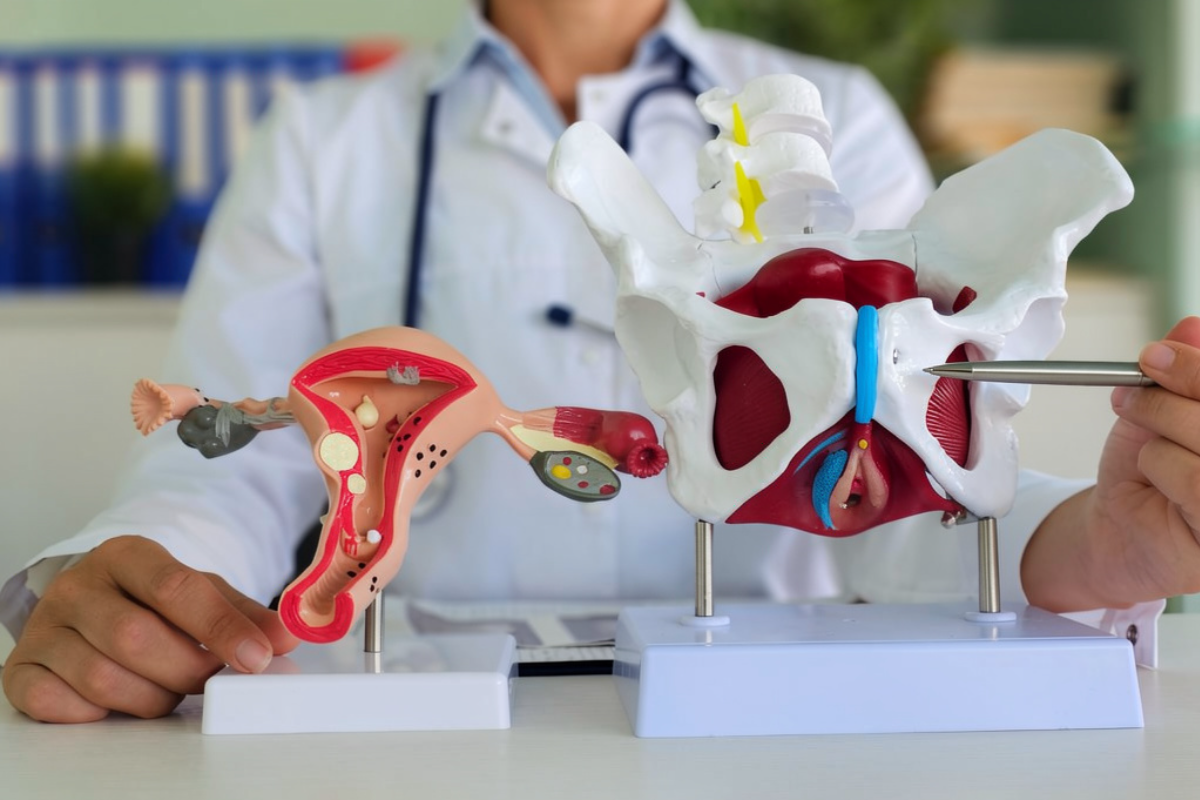

Many women, whether they've been through childbirth, are navigating menopause, or are simply concerned about the effects of aging, may find themselves searching for ways to address what feels like vaginal laxity. This is a very common and valid concern. It’s important to understand that the feeling of a "looser" vagina isn't a sign of anything "broken" or wrong with you. Instead, it's often a result of changes to the pelvic floor muscles—a group of muscles and ligaments that support the uterus, bladder, small intestine, and rectum.
For clarity, it's helpful to remember the difference between the vulva vs vagina: the vulva refers to the external genitalia, while the vagina is the internal canal. The feeling of "tightness" comes from the tone and strength of the muscles surrounding the vagina and urethra—the pelvic floor—which is what we can effectively strengthen.
The good news is that you have the power to naturally and safely address these changes. This article will serve as your comprehensive guide to understanding vaginal laxity and, most importantly, provide you with actionable, evidence-based strategies to restore muscle tone, improve pelvic health, and boost your overall confidence and well-being.
What causes vaginal looseness?
💡 The feeling of vaginal looseness, or laxity, is not a permanent "stretching out" of the vagina itself, but rather a result of weakened or overstretched pelvic floor muscles.
Several factors can contribute to this condition. The most significant cause is often vaginal childbirth, which can place considerable strain on these muscles. However, even women who have had a C-section or have never given birth can experience it.
Other common causes include:
- Aging: As we age, our muscles naturally lose some of their tone and elasticity. This process, coupled with hormonal shifts, especially during menopause, can impact the health and strength of the pelvic floor and surrounding tissues.
- Hormonal changes: A decrease in estrogen, which is common during menopause, can lead to thinning and weakening of vaginal tissues.
- Chronic strain: Excessive straining from chronic coughing, constipation, or heavy lifting can put consistent pressure on the pelvic floor, leading to muscle weakness over time.
Understanding that this is a muscular and tissue-related issue—and not a permanent physical change—is the first step toward finding a natural solution.
Can you tighten your vagina naturally?
The answer is a resounding yes. While you can't restore your body to a pre-childbirth state, you can significantly improve vaginal muscle tone and health through a combination of targeted exercises and healthy lifestyle habits.
💡 The focus is on strengthening the pelvic floor muscles, which are key to providing support and restoring a feeling of firmness.
The most effective methods are non-invasive and can be done from the comfort of your own home.
Best natural ways to tighten your vagina
Pelvic floor exercises
The cornerstone of any natural vaginal tightening regimen is pelvic floor muscle training, commonly known as Kegel exercises. These exercises are a simple yet powerful way to strengthen the muscles that support your pelvic organs.
- How to do Kegel exercises: First, you need to identify the correct muscles. You can do this by imagining you are trying to stop the flow of urine mid-stream or trying to prevent yourself from passing gas. These are the muscles you want to engage. Once you've located them, follow these steps:
- Empty your bladder.
- Sit or lie down in a comfortable position.
- Contract your pelvic floor muscles, holding the squeeze for a few seconds.
- Relax the muscles for an equal amount of time.
- Repeat this process in sets of 10 to 15 repetitions, three times a day.
The proven and widely recognized benefits of Kegels exercises for women include improved muscle tone, better bladder and bowel control (reducing incontinence), and enhanced sexual sensation and satisfaction. Consistency is key to seeing results.
Yoga and core strengthening
Beyond Kegels, incorporating yoga and other core-strengthening exercises can further support pelvic health. Many yoga poses, such as Bridge Pose and Cat-Cow, naturally engage the pelvic floor muscles. Proper breathwork during these exercises is also crucial, as it helps connect your core to your pelvic floor. A strong core provides a stable foundation, reducing the pressure on your pelvic floor and complementing your strengthening efforts.
Healthy lifestyle habits
What you put into your body and how you live your life play a significant role in tissue elasticity and muscle health.
- Nutrition: A diet rich in collagen-boosting foods is essential. Collagen is a key protein that provides structure to tissues, including those in the vagina. Foods rich in protein, such as lean meats, eggs, and legumes, help repair and build muscles. Additionally, some evidence suggests that estrogen-rich foods like soybeans, flax seeds, and nuts may have benefits for vaginal tissue health. Staying well-hydrated is also vital for maintaining tissue elasticity.
- Avoid damaging habits: Smoking and excessive alcohol consumption can negatively affect circulation and tissue elasticity. Avoiding these habits, as well as processed foods, can support overall tissue health and improve your body's ability to heal and strengthen itself.
Can pelvic floor trainers help tighten the vagina?
Pelvic floor trainers don’t actually “tighten the vagina” itself, but they can make the vaginal area feel firmer and more supported. Here’s how it works:
- Pelvic floor muscles surround and support the vagina. When these muscles are weak (from childbirth, aging, or other factors), the vagina can feel looser and less supported.
- Using a pelvic floor trainer strengthens those muscles. Just like lifting weights strengthens your arms, resistance-based pelvic floor exercises build muscle tone in the pelvic floor.
- The result is better muscle control and firmness. This can lead to improved sensation during sex, reduced symptoms of vaginal laxity, and better support for the bladder and uterus.
💡 Important distinction: the vaginal walls themselves don’t get tighter—instead, the pelvic floor muscles around them become stronger, which creates the feeling of tightness and support.
Important distinction: the vaginal walls themselves don’t get tighter—instead, the pelvic floor muscles around them become stronger, which creates the feeling of tightness and support.
Perifit Care and Perifit Care+ Kegel Trainers are designed to help strengthen the pelvic floor muscles through guided, resistance-based exercises, supporting better control, firmness, and overall pelvic health.
What not to do
Just as important as knowing what to do is understanding what to avoid. When seeking to tighten your vagina, it is crucial to steer clear of unsafe and unproven methods.
- Avoid DIY products: Do not use unverified products, gels, or herbal remedies that claim to "tighten" the vagina. These products are often unregulated and can cause irritation, infections, or other harmful side effects by disrupting the delicate balance of the vaginal microbiome.
- Don't overdo it: While Kegels are beneficial, it's possible to have "too much of a good thing." Overdoing pelvic floor exercises can lead to hypertonic or overly tight muscles. This can result in pelvic pain during sex, difficulty urinating, and other forms of pelvic floor dysfunction. If you experience any pain or discomfort, consult with a pelvic floor physical therapist. They can help you determine the right exercise plan for your unique needs.
The journey to improving your pelvic health is a personal one, and it starts with a commitment to natural, safe, and effective practices. Vaginal laxity is a common issue that can be addressed through a combination of targeted pelvic floor exercises, a healthy diet, and mindful lifestyle choices. Remember that your body is resilient, and by consistently engaging in these practices, you can restore muscle tone, enhance sensation, and improve your overall well-being. As with any health concern, it's always a good idea to consult with a healthcare professional or a pelvic floor physical therapist to ensure you are on the right track and to get a personalized plan tailored to your specific needs.
Source:
-
https://www.medicalnewstoday.com/articles/325890