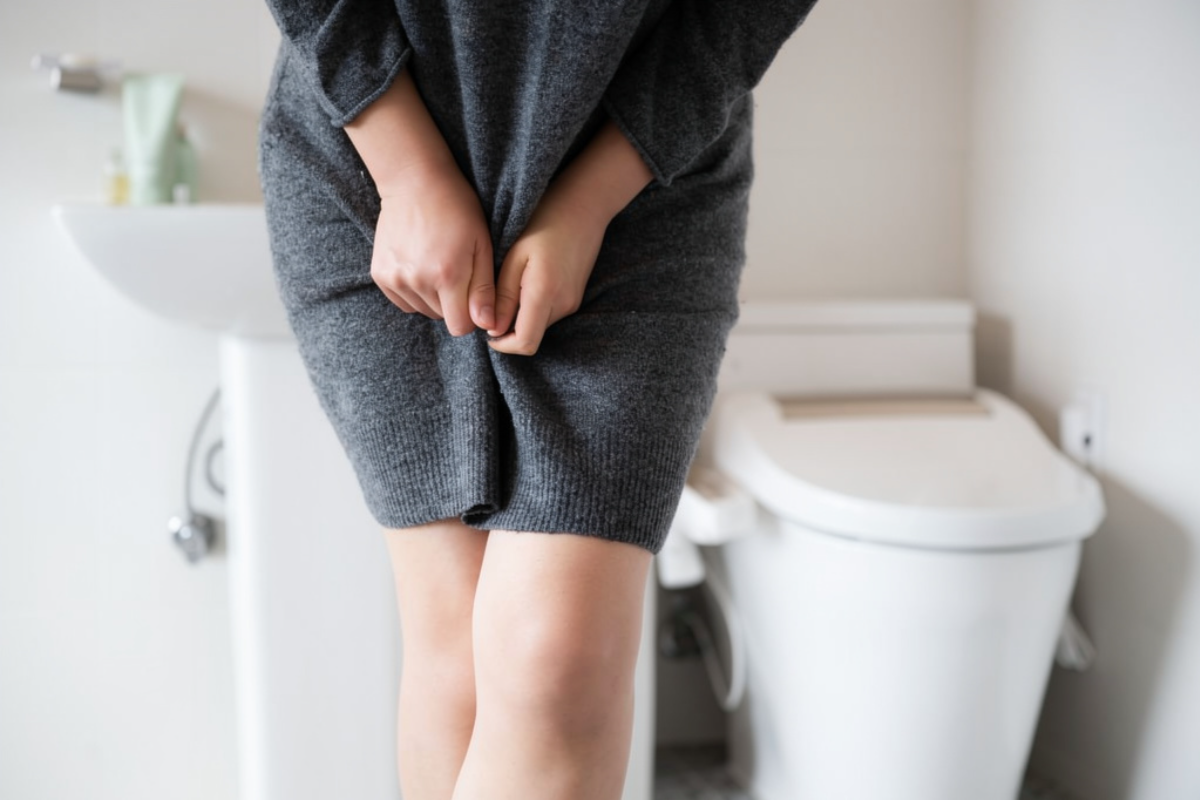

It's an inconvenient, often embarrassing, and frequently silent issue: incontinence after pregnancy. If you're experiencing unexpected leaks, dribbles, or accidents, you are certainly not alone. This condition, officially known as Postpartum Urinary Incontinence (PUI), affects a significant number of new mothers. While it is common — studies show that up to one in three women experience it after childbirth — it is common but not a normal or inevitable consequence of childbirth, and you don't have to live with it.
PUI most often manifests as Stress Urinary Incontinence (SUI), which means you leak urine when there is pressure (stress) on your bladder, such as when you cough, sneeze, laugh, or jump. Less commonly, some women experience Urge Urinary Incontinence (UUI), or a combination of both.
Causes of postpartum urinary incontinence
Understanding the "why" behind your leaks begins with recognizing the profound changes your body undergoes. Incontinence after pregnancy is primarily a result of factors that compromise the strength and integrity of the pelvic floor, the hammock of muscles and connective tissue that supports your bladder, uterus, and rectum.
The main culprits include:
- Pregnancy: months of carrying a growing fetus places significant downward pressure on the bladder and pelvic floor. Additionally, pregnancy hormones like relaxin soften and loosen tissues and joints to prepare for birth, contributing to weakened bladder support.
- Childbirth (vaginal delivery): this is the most common cause of pelvic floor damage. The pushing phase can stretch, tear, or injure the pelvic floor muscles and the nerves that control them. The risk is significantly higher with instrumental deliveries (forceps or vacuum) or a prolonged second stage of labor.
- C-sections: while C-sections carry a lower risk than vaginal birth, they do not eliminate the potential for PUI. The hormonal effects and the sheer weight of the growing uterus during pregnancy are often enough to cause dysfunction, leading to conditions such as stress incontinence. Other risk factors include having multiple children and being overweight.
How long does postpartum incontinence last?
The duration of incontinence after pregnancy varies significantly. For many women, symptoms are most noticeable in the first few weeks to months postpartum, often gradually improving as hormone levels normalize and the body heals. Dedicated practices, such as starting appropriate and correctly performed pelvic floor exercises during pregnancy and after, can significantly speed up this recovery.
However, the precise duration depends on several factors: the severity of pelvic floor damage, the delivery method, your age, and your core and pelvic health before pregnancy. While some mild leaking may resolve on its own, if your symptoms persist beyond 3 to 6 months postpartum, or if they are severe, impact your daily life, or worsen, it's crucial to consult a healthcare provider — specifically a Pelvic Floor Physical Therapist (PT) or your OB-GYN.
Identifying the types of postpartum leakage
To effectively treat your condition, it helps to understand what kind of leakage you are experiencing. Incontinence after pregnancy usually falls into one of two main categories.
Stress urinary incontinence (SUI)
This is the most common form of PUI.
- What it is: leaking urine when sudden, temporary pressure is placed on your abdomen and bladder.
- When it happens: when you cough, sneeze, laugh, jump, run, or lift heavy objects.
- The mechanism: weakened pelvic floor muscles and supporting structures cannot adequately withstand this sudden pressure, causing the urethra to open slightly and allow a leak.
Urge incontinence / overactive bladder (OAB)
- What it is: a sudden, intense need to urinate that you cannot control, often followed immediately by involuntary leakage.
- The mechanism: this is typically related to the bladder muscle (detrusor) contracting involuntarily, often influenced by nervous system signaling rather than structural weakness alone. While less common immediately postpartum than SUI, it can occur and may require specific bladder training techniques.
A quick note on fecal incontinence
While the primary focus is on urinary leaks, it's important to mention that accidental bowel leakage (ABL) or fecal incontinence can also occur postpartum, especially following significant perineal tears or trauma. This involves difficulty controlling gas or stool. If you experience this, it is also a treatable condition that warrants immediate consultation with a healthcare professional, such as a Pelvic Floor Physical Therapist.
💡 Postpartum urinary incontinence is common, but it is not something you simply have to accept. The vast majority of cases are highly treatable with the right approach — starting with pelvic floor muscle training.
How Perifit can help your postpartum recovery
If you are looking for an effective, at-home tool to train your pelvic floor and ensure you are performing your Kegel exercises correctly, a biofeedback device like Perifit can be highly beneficial. The specialized Post-Pregnancy programme is designed to help new mothers heal and regain strength, regardless of their delivery experience: C-section, assisted birth (forceps/vacuum), or natural delivery.
What you can expect and how it works
Using an interactive pelvic floor app allows you to see the results of your contractions in real time, helping to restore normal function and reducing the risk of developing pelvic floor disorders. You can expect a faster postpartum recovery and increased confidence, allowing you to get back to the activities you love.
The Perifit Care and Care+ devices analyse your Kegel exercises across five key dimensions:
| Key dimension | Benefit |
|---|---|
| Strength | Ensures sufficient power to maintain continence and stop bladder leaks. |
| Control | Measures if the contraction is well-timed and fast enough. |
| Endurance | Ensures the hold is long enough to support your organs and calm the urge. |
| Relaxation | Checks for flexibility and a wide range of motion, helping avoid over-tightness. |
| Kegel quality | Verifies that you are training the correct pelvic floor muscles without increasing abdominal pressure. |
Preventing incontinence in future pregnancies
While experiencing incontinence after pregnancy can be frustrating, proactive steps can significantly reduce the risk in future pregnancies and improve your overall pelvic health. The key is establishing a consistent routine of maintaining pelvic floor strength before, during, and after pregnancy.
Before and during pregnancy
- Consistent pelvic floor exercises: don't wait until after delivery to start. Regular, correct Kegel exercises during pregnancy help maintain muscle tone, which can aid in pushing during labor and speed up postpartum recovery.
- Mindful movement: incorporate pregnancy-safe exercises like prenatal yoga for pelvic floor health. Avoid heavy lifting and high-impact activities that increase downward pressure on the pelvic floor.
- Pelvic floor massage: techniques like perineal massage (starting around 34 weeks) can increase the elasticity of the tissues, potentially minimizing trauma during delivery.
Postpartum return to activity
- Gradual return to exercise: avoid high-impact activities (like running or intense jumping) until you have been cleared by your healthcare provider and have established core and pelvic floor strength. A Pelvic Floor PT can guide your return to activity safely.
- Prioritize recovery: listen to your body and prioritize rest and recovery in the "fourth trimester." This dedicated time allows tissues to heal and hormone levels to stabilize, supporting your long-term continence.
If you are dealing with Postpartum Urinary Incontinence (PUI), remember this critical takeaway: it is common, but not normal, and most cases are highly treatable. Leaking after childbirth is often caused by pelvic floor damage—the stretching and weakening of muscles and nerves due to the weight of pregnancy and the trauma of delivery.
The gold standard, first-line treatment for PUI, particularly Stress Urinary Incontinence (SUI), is consistent and correct Pelvic Floor Muscle Training (PFMT), or Kegels. Whether you use a device like Perifit to guide your technique or seek professional help, consistent training is vital for strengthening these muscles.
Sources: