
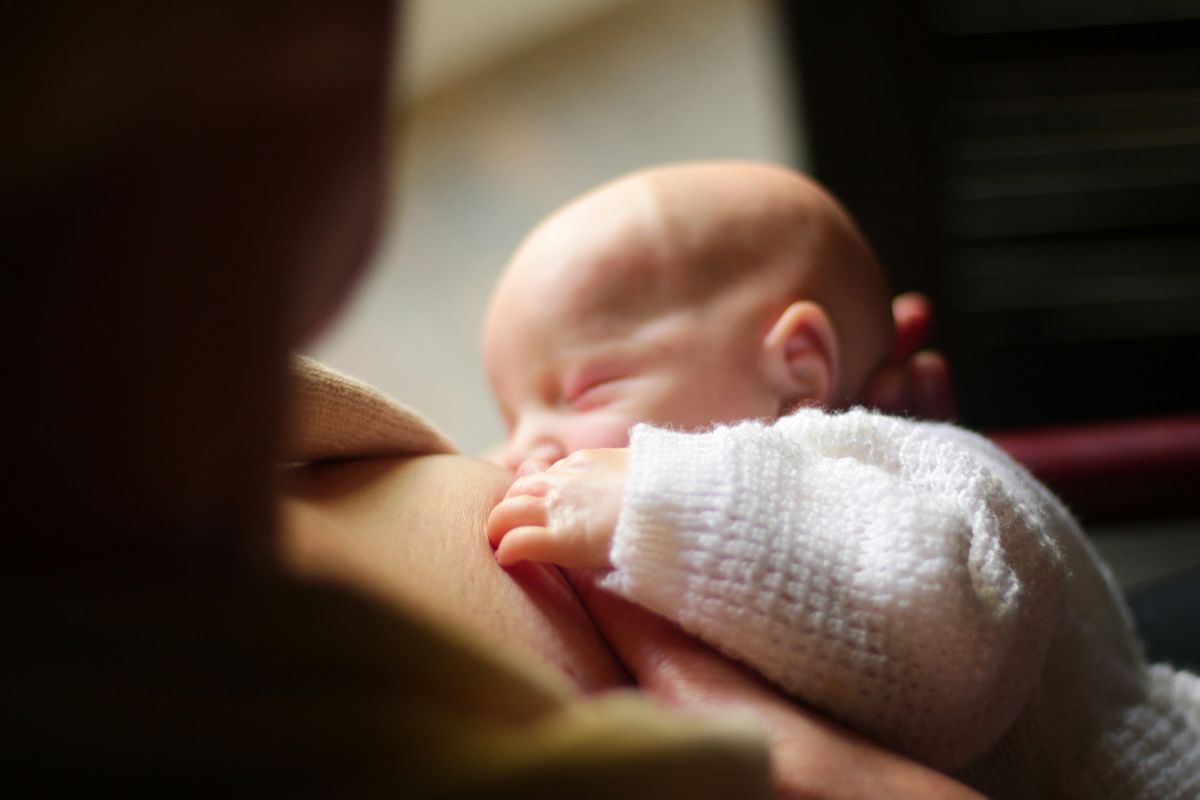
The intersection of body art and reproductive health is a significant consideration for many modern parents. While aesthetic modifications are increasingly common, their impact on biological functions—specifically lactation—requires careful evaluation. For those with nipple piercings planning to nurse, understanding the implications for safety, milk supply, and infant comfort is essential for a successful breastfeeding journey. In most instances, nipple piercings do not preclude the ability to breastfeed. A majority of individuals with piercings successfully provide nutrition to their infants; however, the practice necessitates specific clinical precautions.
Can nipple rings affect breastfeeding?
While the presence of a piercing doesn't automatically disqualify you from nursing, it does introduce variables that a non-pierced parent doesn't have to manage. Understanding how a piercing interacts with your breast anatomy is the first step in a successful lactation plan.
Impact on milk flow
The primary concern regarding piercings is the potential for scar tissue. When a nipple is pierced, the needle passes through or near the milk ducts (the pathways that carry milk to the surface).
- Interference with ducts: If the piercing caused significant scarring, it could potentially block one or more ducts.
- Reduced milk output: While most women have 15 to 20 milk ducts per nipple, a blockage in several could lead to a lower milk volume from that specific breast.
- Expert insight: Most lactation experts agree that because milk exits through multiple pores on the nipple, the remaining open ducts usually compensate for any that are blocked.
Nipple sensitivity and pain
Breastfeeding involves intense physical contact and suction, which can feel different if you have a history of piercings.
- Changes in sensitivity: Some mothers report increased sensitivity or even numbness in the nipple area due to nerve involvement from the initial piercing.
- Discomfort for mom and baby: Leaving jewelry in during a feed is not recommended, as it can cause painful friction for the mother and may injure the baby’s sensitive palate.
- Tips for success: To minimize pain, always remove rings or bars before feeding. If sensitivity remains high, a silicone nipple shield can sometimes provide a helpful barrier during the healing phase of nursing.
Infection risk
A piercing is a permanent channel in the skin, which can occasionally act as a pathway for bacteria.
- Bacterial risk: The most significant concern is mastitis (a painful breast infection) or a localized infection at the piercing site.
- Impact on nursing: If an infection occurs, it can cause swelling, fever, and extreme pain, making it difficult to maintain a consistent feeding schedule.
- Safety protocol: Prioritize hand hygiene and ensure the piercing site is cleaned regularly. If you notice redness, heat, or pus, contact a healthcare provider immediately.
Impact on baby’s latch
A successful "deep latch" is the cornerstone of painless breastfeeding, and physical obstructions can complicate this process.
- Altered nipple shape: In some cases, scar tissue or the "tunnel" (fistula) created by the piercing can slightly change how the nipple extends into the baby's mouth.
- Latch issues: If the jewelry is left in, which is not recommended, it is a major choking hazard and prevents the baby from compressing the breast tissue correctly.
- Professional advice: We recommend removing jewelry entirely during the months you are breastfeeding to allow the baby to achieve the best possible latch without interference.
Tips for breastfeeding with nipple rings
💡 If you choose to continue wearing your jewelry between feedings, success comes down to safety and hygiene.
Here are the best practices recommended to ensure a smooth nursing experience:
- Remove jewelry during every feed: This is the most critical rule. Nipple rings are a significant choking hazard for infants and can cause severe damage to a baby’s gums, tongue, and soft palate. Always remove the jewelry before the baby latches.
- Ensure piercings are fully healed: It is highly recommended that your piercings be completely healed (which can take 6 to 12 months) before you begin breastfeeding. Fresh piercings are open wounds and carry a much higher risk of transferring bacteria to your milk supply.
- Prioritize rigorous hygiene: Your hands should be washed before removing jewelry, and the jewelry itself should be cleaned with a mild, fragrance-free soap before being reinserted. Any dried milk left on the jewelry can become a breeding ground for bacteria.
- Monitor the latch constantly: Pay close attention to how your baby attaches. If you notice clicking sounds, shallow latching, or persistent nipple pain, the internal scar tissue from the piercing may be affecting the nipple's elasticity.
- Consider alternative jewelry: If reinserting metal rings is too cumbersome, some moms opt for flexible PTFE (Teflon) retainers. These are softer and sometimes easier to manage, though they must still be removed during the actual feeding session.
When to remove nipple rings permanently
Sometimes, despite your best efforts, the jewelry may interfere with the breastfeeding relationship. In these cases, permanent removal might be the best path forward for your health and your baby’s nutrition.
Situations where removal is recommended
It is often recommended to retire piercings permanently if you encounter the following issues:
- Recurrent mastitis or infections: If you experience frequent plugged ducts or bouts of mastitis in the pierced breast, the jewelry or scar tissue is likely the culprit.
- Significant pain: Breastfeeding shouldn't be agonizing. If the act of removing and reinserting jewelry causes tissue irritation or if the nursing itself is painful due to the piercing site, it’s time to prioritize comfort.
- Persistent feeding difficulties: If your baby is struggling to gain weight or cannot maintain a deep latch due to the nipple's shape or scar tissue, removing the rings can help the nipple become more "malleable."
Recovery and resuming
If you decide to remove your rings during your breastfeeding journey, the "holes" (fistulas) will often begin to close or shrink quickly due to hormonal changes and the constant presence of milk.
💡 You do not need to wait to resume breastfeeding after removing jewelry. You can nurse immediately, provided there is no active, pus-draining infection. In fact, frequent nursing can help "flush" the ducts.
Consult the professionals
Always speak with a healthcare provider or a Certified Lactation Consultant if you see signs of a systemic infection (fever, chills, or red streaks on the breast). We can help you determine if the piercing is the source of the issue and guide you through a safe removal process that protects your milk supply.
Do nipple piercings interfere with pumping breast milk?
Pumping follows many of the same rules as nursing, but the mechanical suction of a breast pump creates unique considerations for pierced nipples. To maintain your supply without injury, brevity and safety are key.
- Remove jewelry before pumping: Just like with a baby’s latch, jewelry can interfere with the vacuum seal of the pump flange. Metal rings can also cause painful friction or even lacerations against the plastic tunnel of the pump.
- Check flange fit: Piercings can sometimes cause the nipple to be slightly larger or less flexible. Ensure your flange size is correct to avoid rubbing against the piercing site, which can lead to swelling and blocked ducts.
- The Perifit Pump advantage: If you are using a wearable such as the Perifit Pump, its unique silicone flange is particularly beneficial for moms with piercings. Because the Perifit Pump is designed to mimic a baby’s natural compression rather than just using harsh suction, it is often gentler on scar tissue and sensitive nipples.
- Hygiene first: Always clean your pump parts and your nipples thoroughly after a session. Milk can sometimes seep through the piercing tract; ensuring no residue remains is vital to preventing bacterial growth inside the pump components.
Embarking on your breastfeeding journey with nipple piercings may require a few extra steps, but it is a manageable path for most parents. By prioritizing safety, maintaining a strict hygiene routine, and always removing jewelry before feedings or pumping sessions, you can successfully nourish your baby while protecting your breast health.
The key is to remain observant. Pay close attention to your milk flow, monitor your baby’s latch, and don't ignore signs of discomfort or infection. Whether you choose to keep your piercings or decide that permanent removal is the best choice for your nursing relationship, your body is remarkably capable of adapting. If you have concerns about scar tissue or supply, reaching out to an IBCLC can provide the personalized guidance you need to breastfeed with confidence.
Source: