
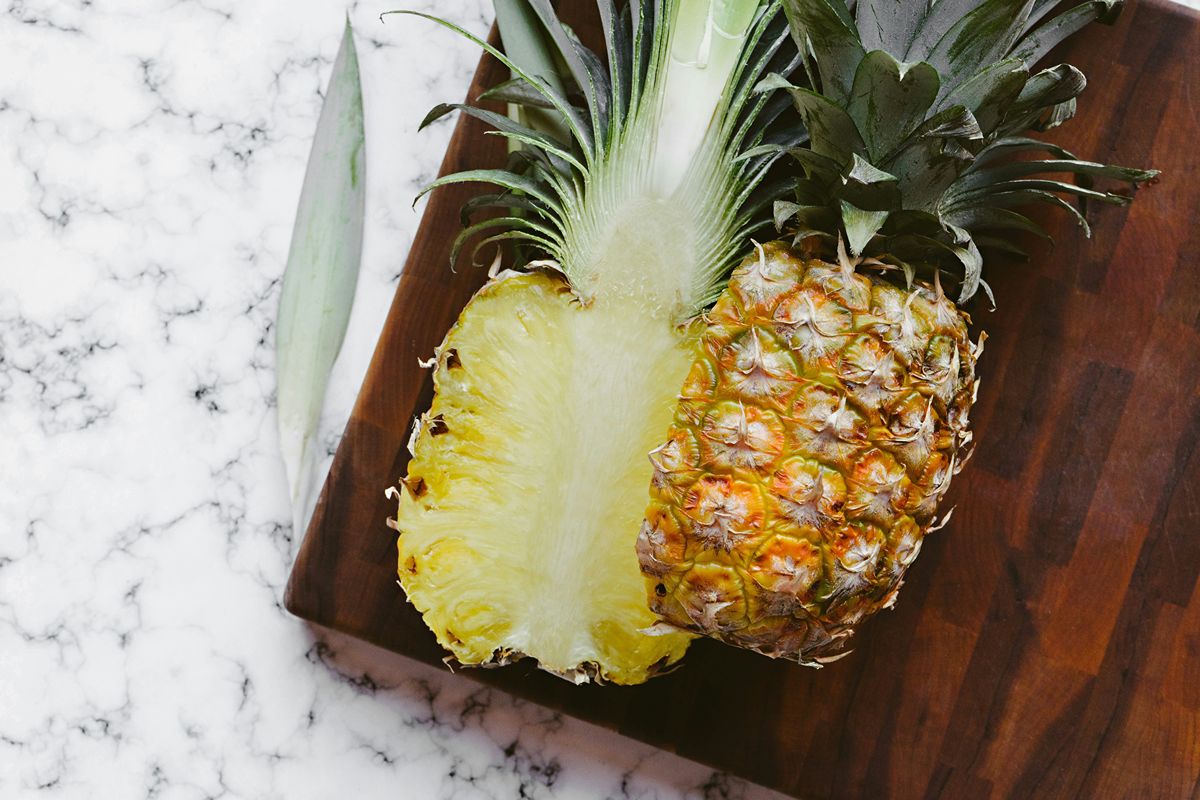
You've heard conflicting things — maybe someone warned you that pineapple is too acidic while nursing, or maybe you're simply craving it and want to know if it's okay. The good news: pineapple is generally safe to eat while breastfeeding, and it comes with some real nutritional perks during the postpartum period. Here's what the science actually says, so you can enjoy that fruit bowl without a second thought.
Is it safe to eat pineapple while breastfeeding?
Yes. For most breastfeeding moms and their babies, pineapple is perfectly safe. It's a nutrient-dense fruit with no known substances that are harmful to lactation or to infants through breast milk.
Most babies tolerate it well. Like any new food in your diet, there's always a small chance your baby could be sensitive to something you ate. But pineapple is far from a common culprit. If your baby seems unusually fussy, gassy, or develops a rash shortly after you eat pineapple (and you've eaten it multiple times), it's worth noting. But this is the exception, not the rule.
The "acid" myth
One of the most common concerns is that pineapple's acidity will somehow "acidify" your breast milk and upset your baby's stomach. This is a myth.
Your body maintains a tightly regulated blood and breast milk pH regardless of what you eat. The acidity of a food you consume doesn't pass directly into your milk. Breast milk pH stays stable at around 6.8 to 7.2. Pineapple's acid content is processed well before it ever reaches your milk supply.
Benefits of eating pineapple while breastfeeding
Pineapple isn't just safe — it's genuinely good for you during the postpartum period. Here's why it deserves a spot in your diet.
Rich in Vitamin C
One cup of fresh pineapple provides over 78 mg of Vitamin C, nearly your entire daily recommended intake while breastfeeding (120 mg/day). Vitamin C supports immune function for both you and your baby, aids in iron absorption, and plays a key role in tissue repair postpartum.
Supports hydration
Pineapple is made up of about 86% water, making it a hydrating snack. Staying well hydrated is essential for milk production. Eating water-rich foods like pineapple is an easy, enjoyable way to support your fluid intake, especially when you're too busy to drink enough water.
Anti-inflammatory properties (bromelain)
Pineapple contains bromelain, a natural enzyme with notable anti-inflammatory properties. After childbirth, whether vaginal or via C-section, your body is recovering from significant physical stress. Bromelain has been studied for its potential to reduce swelling and support tissue healing, making pineapple a smart addition to a postpartum recovery diet.
Supports postpartum recovery
Beyond bromelain, pineapple provides manganese (important for bone health and metabolism), B vitamins (energy support), and antioxidants that help combat oxidative stress. All of these matter when your body is healing and your energy reserves are depleted.
💡 You can safely eat pineapple as part of a balanced breastfeeding diet. A serving or two a day is plenty to get the nutritional benefits without overdoing the natural sugars.
Can pineapple affect breast milk?
Short answer: not in the way most people worry about. Here's the nuanced picture.
Breast milk composition is remarkably stable. Its fat, protein, and carbohydrate content are largely regulated by your body's physiology, not by individual foods you eat. The macronutrient profile of your milk doesn't change meaningfully based on whether you had pineapple for breakfast.
The flavor may vary slightly. Compounds from strongly flavored foods, including pineapple, can subtly influence the taste of breast milk. Research suggests this kind of early flavor exposure is actually beneficial: babies who encounter a range of flavors through breast milk tend to be more receptive to a variety of solid foods when the time comes. There's nothing harmful about this.
Pineapple won't change your milk's nutritional value, and the flavor exposure it creates is a feature, not a bug.
Does pineapple increase or decrease breast milk supply?
Neither, at least not directly. There is no scientific evidence that pineapple increases or decreases milk supply. It is not a galactagogue (a substance that promotes lactation) in the traditional sense, the way oats, fenugreek, or blessed thistle are traditionally used.
That said, pineapple can support your supply in indirect but meaningful ways:
- Hydration: adequate fluid intake is one of the most important factors for maintaining milk supply. Pineapple's high water content contributes to your overall hydration.
- Vitamin C and stress: Vitamin C plays a role in managing oxidative stress, and chronic stress is one of the most common contributors to a sudden drop in milk supply. Eating a nutrient-rich diet helps your body stay resilient.
- Postpartum recovery: when your body is recovering well and you're nourished, your milk production is better supported overall.
If you're concerned about your output, hydration, frequent feeding or pumping, and rest are your most reliable levers.
💡 Galactagogues like oats and fenugreek are often discussed in the context of supply, but the evidence for most of them is limited. The most effective supply support remains frequent milk removal (whether by nursing or pumping) and staying well hydrated.
Fresh vs. canned pineapple: which is better while breastfeeding?
Both fresh and canned pineapple can fit into a breastfeeding diet, but they're not equal.
Fresh pineapple
- Higher bromelain content: heat processing destroys bromelain, so only fresh pineapple delivers this enzyme in meaningful amounts.
- No added sugars: fresh pineapple contains only natural fruit sugars.
- More Vitamin C: heat also degrades some Vitamin C, so fresh pineapple has a slight nutritional edge.
Canned pineapple
- Convenient and affordable: a perfectly valid option when fresh isn't available.
- Watch for added sugar: many canned varieties are packed in heavy or light syrup. Look for cans labeled "packed in 100% juice" or "no added sugar" to keep the sugar content in check.
- Reduced bromelain and Vitamin C: the canning process uses heat, which largely deactivates the enzyme and reduces Vitamin C, so you won't get the same anti-inflammatory benefit.
💡 Fresh pineapple is the better choice when you can access it. Canned is fine as an occasional alternative — just read the label and opt for juice-packed varieties or those with no added sugar.
When to pay attention
Pineapple is safe for the vast majority of nursing moms, but keep an eye out if:
- Your baby shows signs of a potential food sensitivity after you eat it: unusual fussiness, excessive gas, skin rash, or digestive discomfort.
- You personally have a history of oral allergy syndrome or sensitivity to bromelain.
- You have acid reflux or heartburn postpartum. Pineapple's acidity can aggravate symptoms for some people (this affects you, not your milk).
If you notice a consistent reaction in your baby, try eliminating pineapple for a couple of weeks and see if symptoms resolve. When in doubt, talk to your lactation consultant or healthcare provider.
Pineapple is a safe, nutritious, and delicious food to eat while breastfeeding. It supports hydration, delivers immune-boosting Vitamin C, and provides bromelain to help your body recover postpartum. It won't acidify your milk, won't affect your supply, and the subtle flavor it adds to breast milk may even help your baby become a more adventurous eater down the road. Nourishing yourself well is always a great place to start.
Sources:
- Ballard O, Morrow AL. Human Milk Composition: Nutrients and Bioactive Factors. Pediatric Clinics of North America. 2013. https://pubmed.ncbi.nlm.nih.gov/23178072/
- Mennella JA, et al. Flavor programming during infancy. Pediatrics. 2004. https://pubmed.ncbi.nlm.nih.gov/15060215/
- USDA FoodData Central. Pineapple, raw. https://fdc.nal.usda.gov/
- National Institutes of Health, Office of Dietary Supplements. Vitamin C. https://ods.od.nih.gov/factsheets/VitaminC-HealthProfessional/
- Brien S, et al. Bromelain as a Treatment for Osteoarthritis: a Review of Clinical Studies. Evidence-Based Complementary and Alternative Medicine. 2004. https://pubmed.ncbi.nlm.nih.gov/15841258/